24-hour emergency line, answered by a person 01633 960 220 Lockout £99 now · Night rate until 8am

Lock guide

What the grades mean, in plain English.

Your policy says "a BS3621 lock" or "a TS007 3-star cylinder" and nobody explains it. Six grades, what each is, which door it belongs on, what the insurer wants, and what it costs fitted. Every invoice we write carries the grade so you can show them.

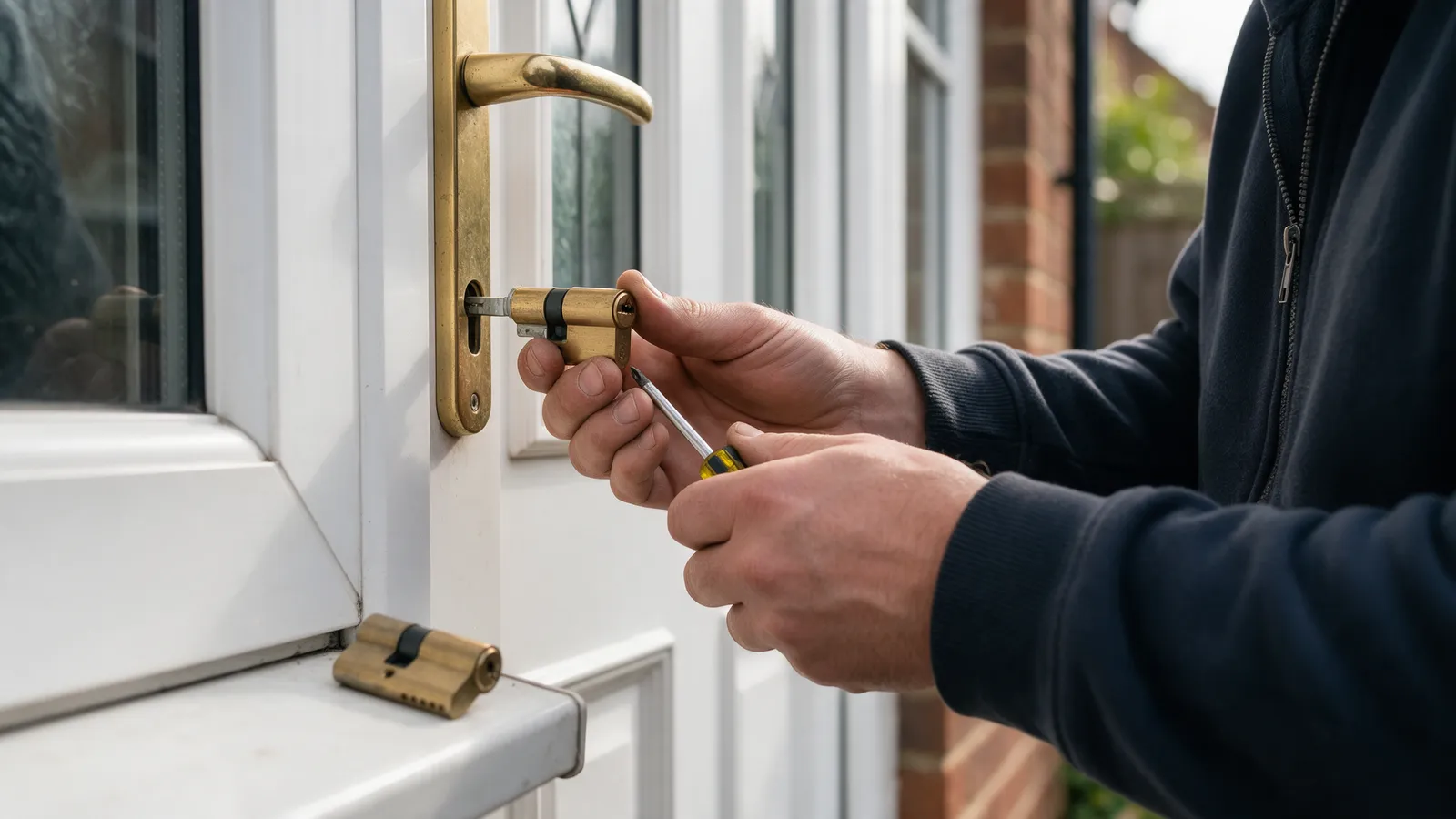
A locksmith's hands fitting a new brass euro cylinder into a white uPVC front door, the old cylinder on the step

The six grades

BS3621

The British Standard for thief-resistant locks on wooden doors: a five-lever mortice deadlock or a nightlatch with a deadlocking snib, with hardened plates against drilling and a bolt that cannot be slipped. Look for the kitemark on the faceplate.

Where
Wooden front and back doors
Insurers
Required by nearly every home insurer for wooden external doors
TS007 1-star cylinder

The basic grade of euro cylinder for uPVC, composite and aluminium doors. Resists some attacks but can be snapped with grips in seconds. A 1-star cylinder with 2-star security handles makes three stars together.

Where
uPVC and composite doors
Insurers
Acceptable to most insurers only with 2-star handles

TS007 3-star cylinder

A euro cylinder that resists snapping, bumping, picking and drilling on its own, with sacrificial sections that break away leaving the lock working. What we fit by default on uPVC and composite doors.

Where
uPVC and composite doors
Insurers
Meets every insurer's requirement on its own

Sold Secure Diamond

The highest grade from the Master Locksmiths Association's testing house: a cylinder or lock that has survived the attack tests a professional thief would use, with time. Costs more and is worth it on a door that faces the street.

Where
Any door; padlocks too
Insurers
Exceeds requirements; often earns a premium discount

PAS 24 door set

A whole door, frame, lock and hinges tested together as a unit against the common attacks. New-build doors are usually PAS 24; older doors are not, and fitting a good cylinder to a weak door only goes so far.

Where
Whole door assemblies
Insurers
The standard for new builds; not required on older doors

Secured by Design

The police initiative that specifies the above for new homes and refurbishments. A product marked Secured by Design has passed the relevant standard and been accepted by the police scheme.

Where
Products and whole developments
Insurers
Recognised by insurers; not a lock standard in itself

By door

Which lock on which door, and what it costs.

What most home insurers in Britain ask for. Check your own policy wording; if it says something different, ring us and we will read it with you.

Locks by door type
DoorWhat insurers ask forWhat we fitFitted
Wooden front doorA BS3621 mortice deadlock, usually with a BS3621 nightlatchFive-lever BS3621 mortice; nightlatch with deadlocking snib£135 / £125
Wooden back doorA BS3621 mortice deadlock, or bolts top and bottomBS3621 mortice, or a sashlock plus key-operated boltsfrom £135
uPVC or composite doorA TS007 3-star cylinder, or 1-star with 2-star handlesTS007 3-star anti-snap cylinder, three keys£120
Patio or French doorsKey-operated locks and anti-lift protectionPatio locks top and bottom, anti-lift blocks, a 3-star cylinderfrom £45
Ground-floor windowsKey-operated locksKeyed handles or sash jammers; restrictors where children arefrom £35
Flat entrance doorBS3621 or a 3-star cylinder; fire-rated where the building requiresWhatever the building's fire certificate allows; we check firstquoted

What have I got?

Four ways to tell what is on your door now.

Look for the kitemark

A BS3621 lock has the kitemark and the number stamped on the faceplate, the strip of metal on the edge of the door. No kitemark, no BS3621, whatever the key looks like.

Count the stars

A TS007 cylinder has one or three stars stamped on the face, by the keyhole. A cylinder with nothing stamped is almost certainly a basic one that can be snapped.

Check the cylinder sticks out

If the cylinder protrudes more than three millimetres beyond the handle, it can be gripped and snapped even if it is a good one. The fix is the right length, which we carry.

Send us a photo

A picture of the edge of the door and the keyhole, by text to the shop number, and we will tell you what you have and what, if anything, it needs. Free, and no visit unless you want one.

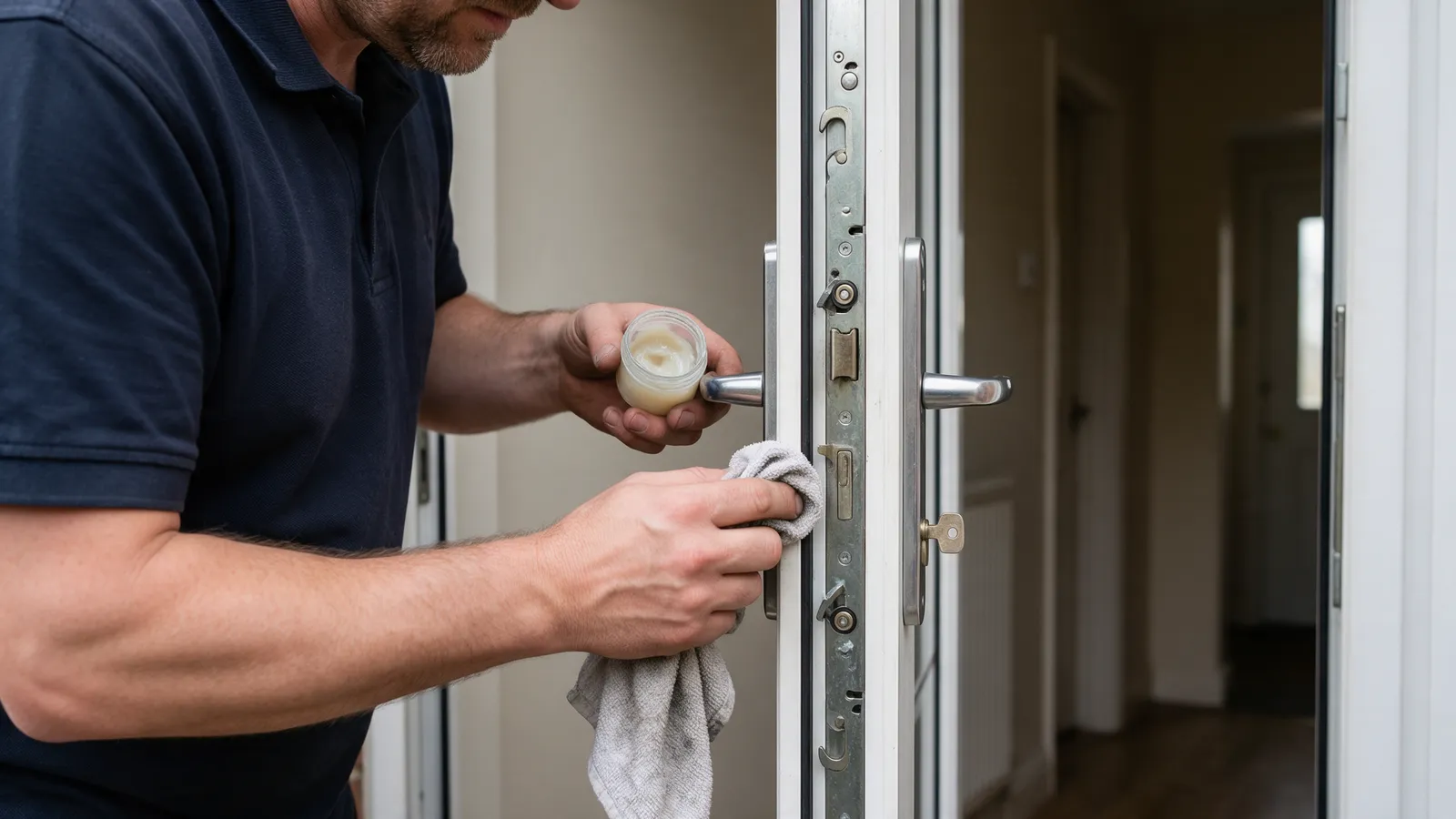
A locksmith servicing the long multipoint locking strip on the edge of an open uPVC door

Lock snapping

The commonest break-in on a uPVC door takes eight seconds and a pair of grips.

A standard euro cylinder has a weak point in the middle where the screw goes through. Grip the outside half, snap it off, and the door opens. It accounts for a large share of burglaries on modern doors in South Wales, and it is why insurers now ask for a 3-star cylinder, which has sacrificial sections that break away and leave the lock working. The upgrade is £120 fitted and takes twenty minutes.

Book the upgrade

Locked out? Ring. Anything else, book a slot.

The emergency line is answered by one of us, 24 hours a day, and a lockout is a fixed price on the phone before anyone leaves the van. For a lock change, a uPVC repair, a car key or a safe, the booking form takes two minutes and we reply within the working day with a two-hour slot.