 Conveyancing
Buying a home, step by step
Six minutes
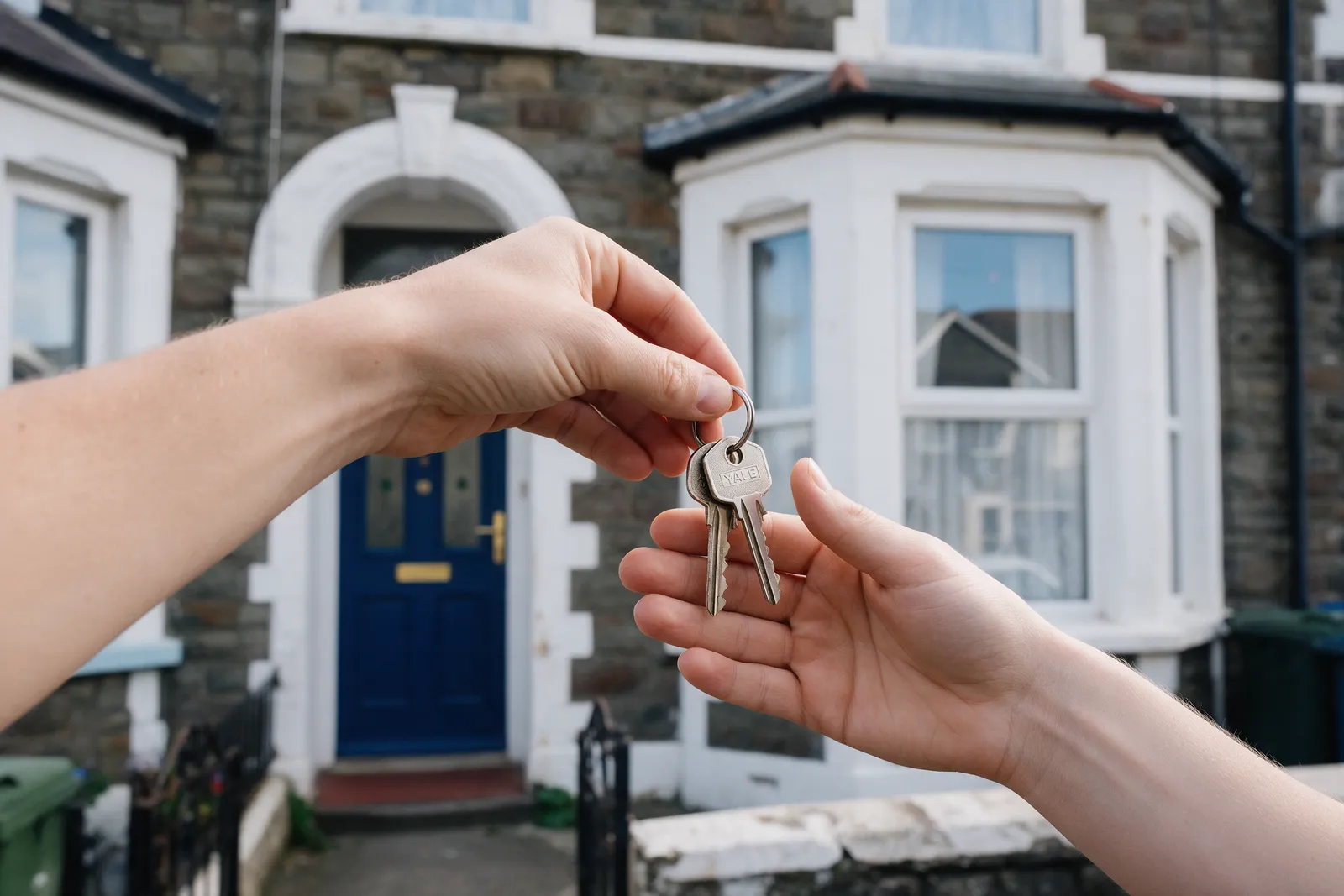
Offer accepted, then what? The eleven things that happen between the agent's memorandum and the keys, in order, with who does each and how long it usually takes.
Guides
Six short guides, each the conversation we have at the desk a hundred times a year, and the checklist Gareth goes through at every wills meeting. Read them before you ring and the call is shorter; read them after and the letters make more sense.
 Conveyancing
Six minutes
Offer accepted, then what? The eleven things that happen between the agent's memorandum and the keys, in order, with who does each and how long it usually takes.
 Conveyancing
Five minutes
What a lease is, why the number of years left matters more than people think, ground rent, service charges, and the questions to ask before you offer on a flat.
 Conveyancing
Four minutes
Wales has not had stamp duty since 2018. The bands, the second-home surcharge, what first-time buyers do and do not get, and how the figure is worked out, with the calculator.
 Wills
Five minutes
The checklist we go through at the meeting: executors, guardians, gifts, the house, the residue, the second death, and the four things people most often forget.
 LPAs
Four minutes
Property and finance, health and welfare: what each one does, when it can be used, who to choose, and what happens to a family that has neither.
ProbateFive minutes
Joint accounts, small estates, the house in both names: the cases where no grant is needed, the cases where it is, and what the executor actually has to do.
The wills checklist
This is the list Gareth works through at the meeting. You do not need answers to all of it; knowing which ones you are unsure about is most of the value.
Offer accepted and the agent sends us a memorandum of sale. We send you a quote and ID checks; you confirm. Searches are ordered (two to three weeks). The seller's solicitor sends the contract pack; we raise enquiries and check the title against the searches and your survey. Your mortgage offer arrives and we check the lender's conditions. We send you a report on the property in plain English. You sign the contract and transfer the deposit. We exchange: now it is binding and the completion date is fixed. We request the mortgage money and send a completion statement for the balance. On completion day the money goes, the keys are released, and we pay the Land Transaction Tax and register you at the Land Registry, which we chase until it is done.
You own the flat for the number of years left on the lease, not the building. Under eighty years the lease starts costing real money to extend and some lenders refuse it; under sixty most do. Ground rent is a yearly charge to the freeholder; service charges pay for the building and are set each year, so ask for the last three years' accounts. The management pack (£200 to £400, paid by the seller) takes two to four weeks and is the usual reason a flat purchase is slower. Since 2022 new leases cannot charge ground rent, and reform is continuing; we tell you what applies to the lease in front of you.
Wales replaced stamp duty with Land Transaction Tax in 2018. For a main home there is nothing to pay up to £225,000, then 6% on the part between £225,000 and £400,000, 7.5% to £750,000, 10% to £1.5 million and 12% above. A second home or a buy-to-let pays higher rates on the whole price, starting at 5% on the first £180,000. Wales has no first-time-buyer relief; the £225,000 threshold does that job. The tax is due within thirty days of completion and we pay it from the completion money and file the return.
Property and financial affairs: the bank, the pension, the bills, the house, and if you choose, usable as soon as it is registered so someone can help while you still have capacity. Health and welfare: where you live, your care, medical treatment, and if you say so, life-sustaining treatment; only used once you cannot decide yourself. Without them, your family cannot act on a frozen joint account or speak for you to the hospital, and the alternative, a deputyship order from the Court of Protection, costs thousands and takes a year. Registration takes the Office of the Public Guardian about three months, so make them before they are needed.
Probate is the court's confirmation that the executor can deal with the estate. You usually do not need it when everything was in joint names with a surviving spouse, when the only asset is a house in joint names, or when the money is small (most banks release under £15,000 to £50,000 on a form). You do need it when there is a house in the sole name, when an account is over the bank's limit, or when there are shares or investments. The first call is free and we tell you which. Grant only is £950 plus VAT; full administration is 1.5% of the estate.
The calculator on the prices page gives the fixed fee for buying, selling or both, with the disbursements and the Land Transaction Tax. Send the quote form and the same figure comes back in writing within the working day, with the name and direct line of the person who will do the work.