
Coaching

Six ways to train here, each priced.

An hour alone with a coach, a slot shared with two others, the five lifts after fifty, the bridge from physio to strength, four conversations about food, or a programme sent to your own gym. Each has its own page with what it costs and what happens; every one of them starts with the ninety-minute assessment.

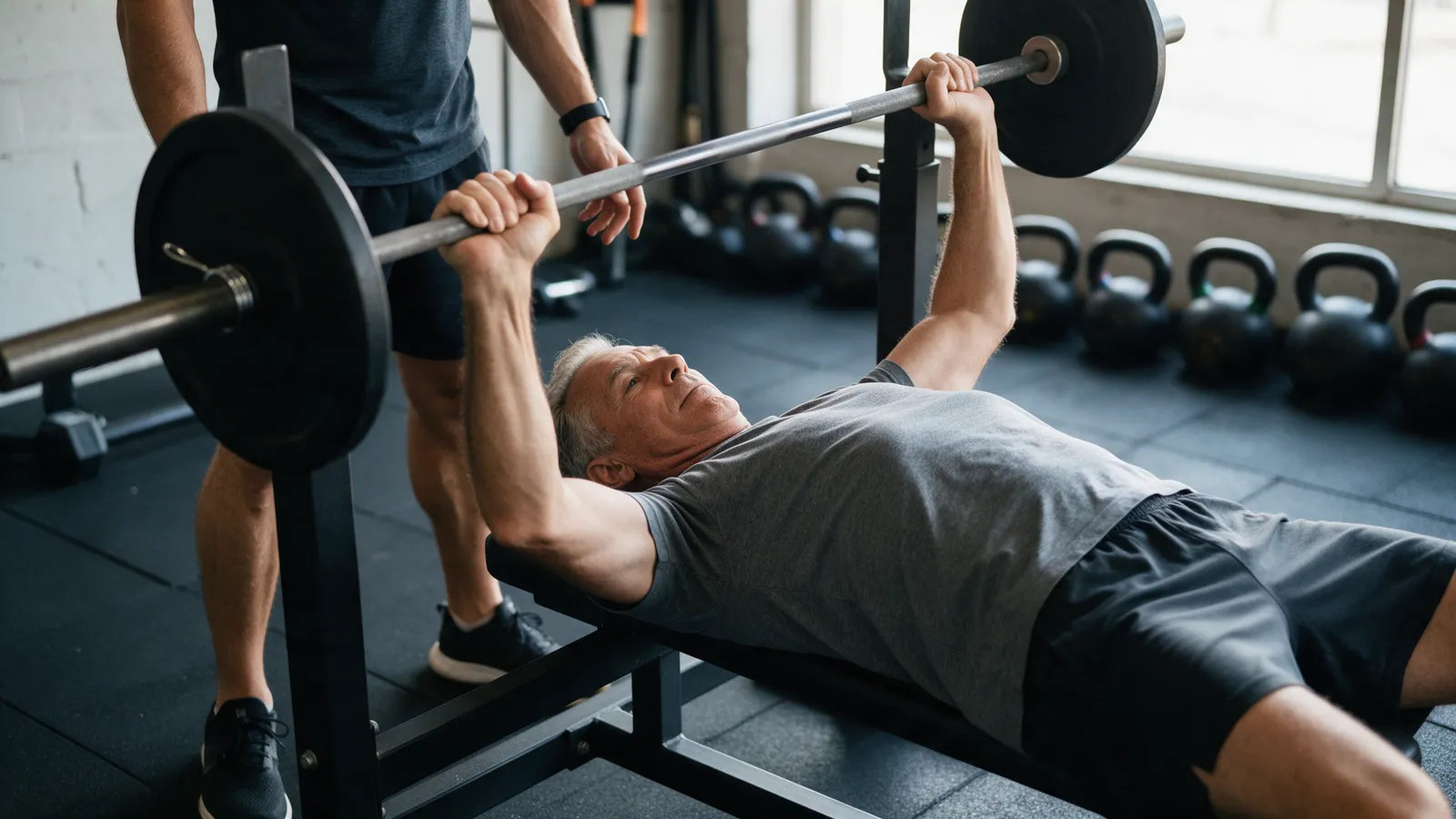
A coach spotting a man in his sixties on a bench press in a small private studio, a light weight, rubber flooring and a wall of kettlebells behind

All six

01

One-to-one coaching

The way most people train here: an hour, one coach, the rack to yourself, a programme written from your assessment, and your numbers in a book. Available as single sessions at £65 or, for nearly everyone, as a twelve-week programme at one, two or three sessions a week with the assessment and the reviews built in.

£65 a session on its own.

02

Semi-private coaching

Three people at most in the room with one coach, each working their own programme from their own assessment, on fixed morning, lunchtime and evening slots. The attention of one-to-one at less than half the price, with the company of two people who are also fifty-something and also learning to deadlift.

£28 a session, or £195 a month for two sessions a week.

03

Strength after fifty

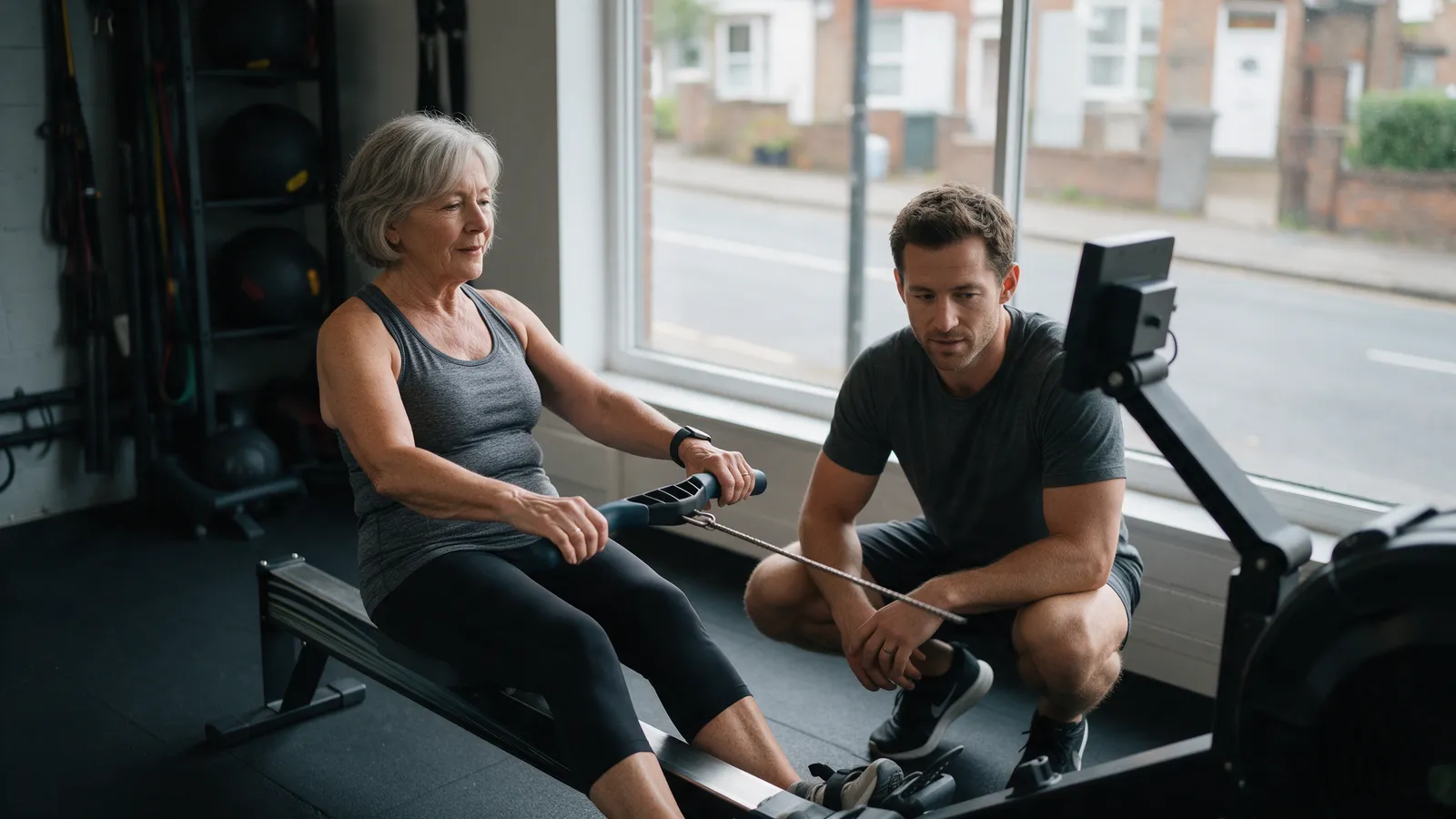
Our main work: men and women from fifty to eighty who have been told to get stronger (by a physio, a doctor, a bone scan or a fall) or who want to carry their own cases at seventy-five. Five lifts, taught slowly and loaded carefully, with balance and the getting-up-off-the-floor built in, and the numbers in a book.

The same prices as one-to-one and semi-private: £65 a session, programmes from £1,380 for twelve weeks, semi-private £195 a month.

04

Return from injury

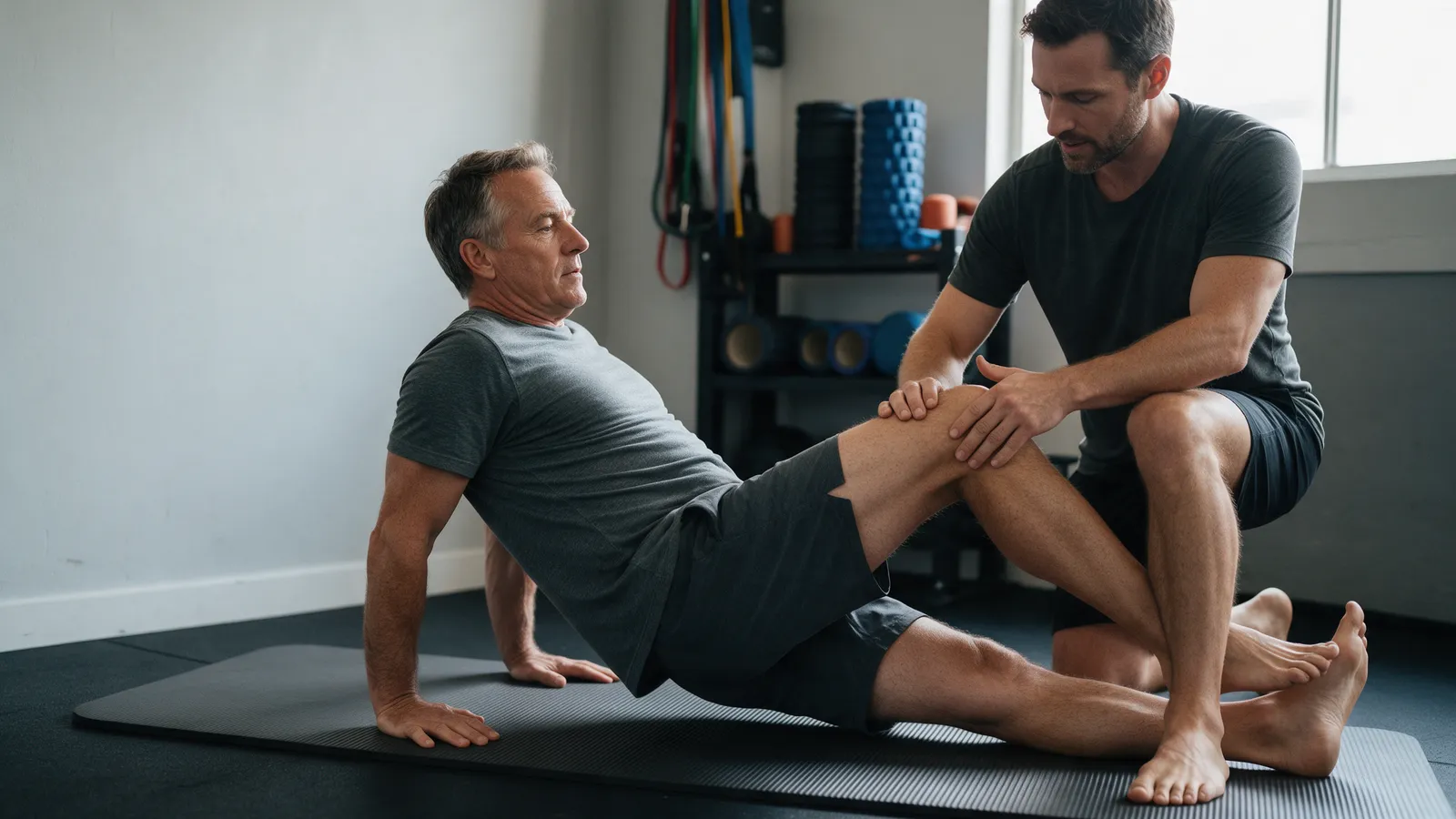
The gap nobody fills: the physio has discharged you, the knee or the shoulder or the back is "better", and you are frightened of it. Twelve weeks of weekly coaching that starts where the physio stopped, with their notes, their say on what is allowed, and a programme that rebuilds the strength the injury took, with reviews shared with them.

£1,560 for twelve weeks: the assessment, liaison with your physio, a weekly coached session, the homework and three reviews.

05

Nutrition coaching

Not a diet. Eight weeks of fortnightly half-hour conversations with Ioan alongside your programme, about the one or two things that would make the training work better: usually protein, sometimes breakfast, occasionally the wine. Written down, adjusted, and dropped the moment it is not realistic for your kitchen and your week.

£240 for eight weeks (four half-hour sessions and messages between), alongside any programme.

06

Online programming

For clients who have done a programme in the room and moved away, travel, or want to train in their own gym: a programme written for the kit you have, updated every four weeks, form checks from the videos you send, and a half-hour video review each month. Not offered to people we have not assessed in person.

£95 a month, no contract.

The method

Five lifts, taught slowly, loaded carefully.

The squat

To a box first, then below it, with a kettlebell held at the chest before a bar goes on the back. The knees and the hips learn what to do before the weight asks them.

The hinge

The deadlift, from blocks until the back has earned the floor, or the trap bar for the people whose backs prefer it. The lift that goes up most and changes most.

The press and the pull

Overhead and on the bench, rows and assisted pull-ups, in pairs so the shoulder stays balanced. Where most injured shoulders come back.

The carry

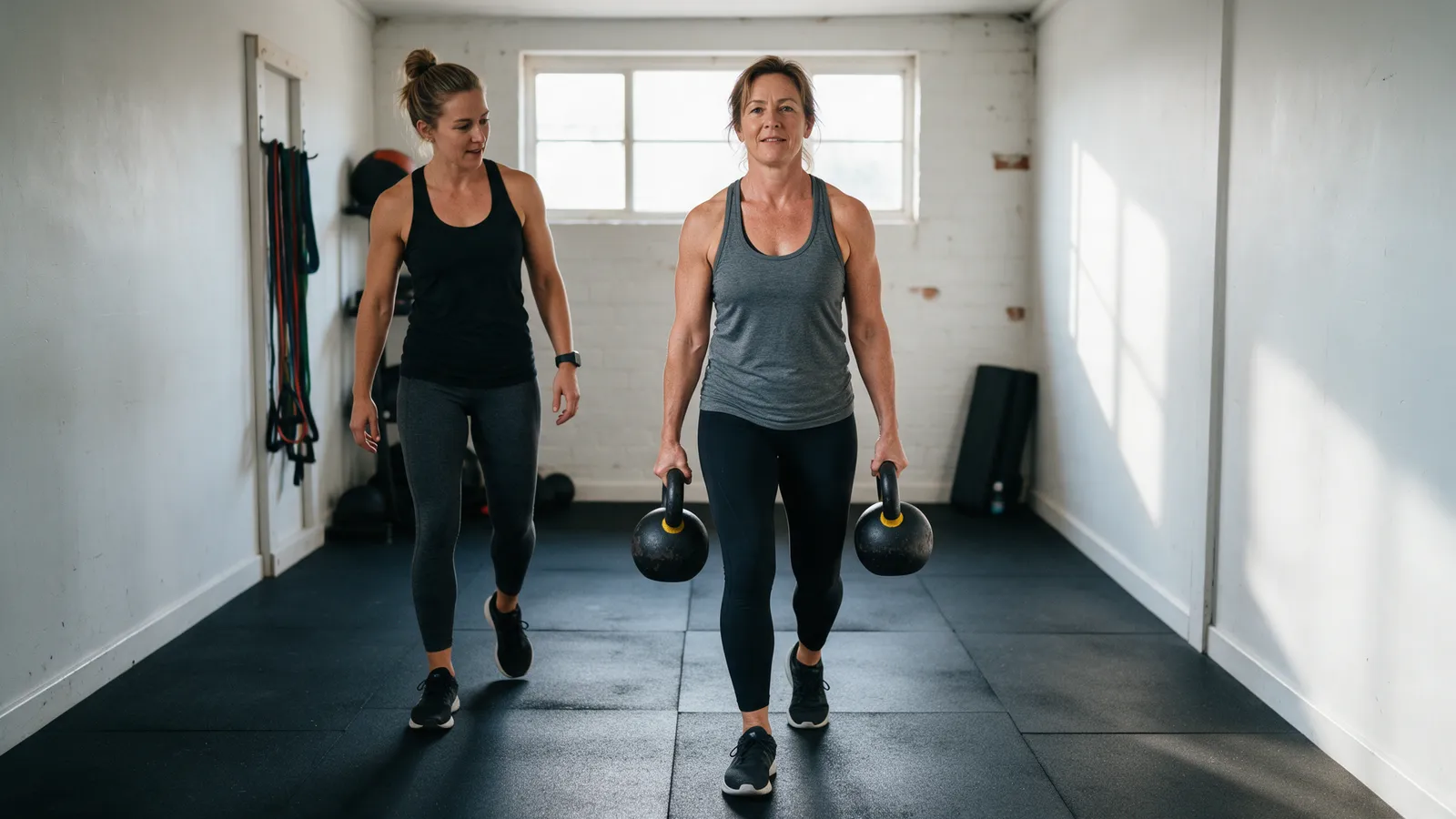
Two kettlebells, the length of the room and back, heavier each week. The suitcase, the shopping, the grandchild; the measure most people care about by week twelve.

Start with the assessment. Ninety minutes, and an honest answer.

Your story, the letters, how you move under a light bar, four baseline measures in a book you keep, and ten minutes on what it will take and whether we are the right people. £60, credited against a programme, and refunded if we say we are not.