Theory test

The theory test, in six short parts.

Fifty questions and fourteen video clips, on a computer, for £23. People fail it by revising the wrong way. This is the method our learners use: three weeks, twenty minutes a day, the question bank and the clips rather than the Highway Code, and the test booked when the app says 90%.

A teenager at a kitchen table studying on a tablet showing a multiple-choice quiz layout, a notebook and a mug beside it

The six parts

A teenager studying on a tablet at a kitchen tableTheory

What the theory test is

Two minutes

Fifty multiple-choice questions from a bank of about 700 (43 to pass) and fourteen hazard perception clips (44 of 75 to pass), on a computer at Newport Road, booked on GOV.UK for £23. Both halves on the same day, result on the spot.
A learner's hands on a steering wheelTheory

The three-week plan

Three minutes

Twenty minutes a day. Week one: the app's question bank by topic, every topic to 80%. Week two: mock tests until three in a row over 45. Week three: hazard clips every day and two full mocks. Book the test when the app says 90% and your instructor agrees.

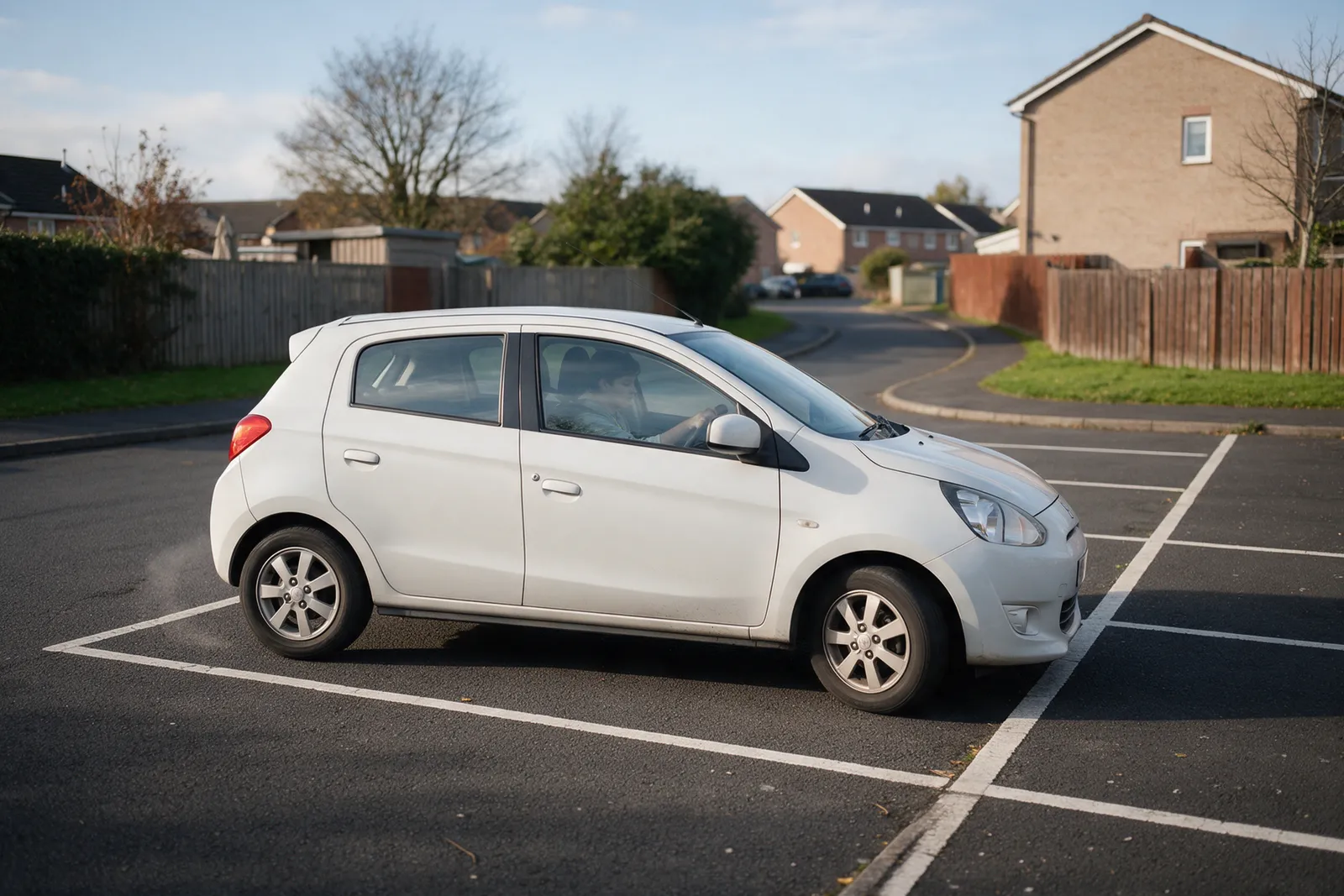
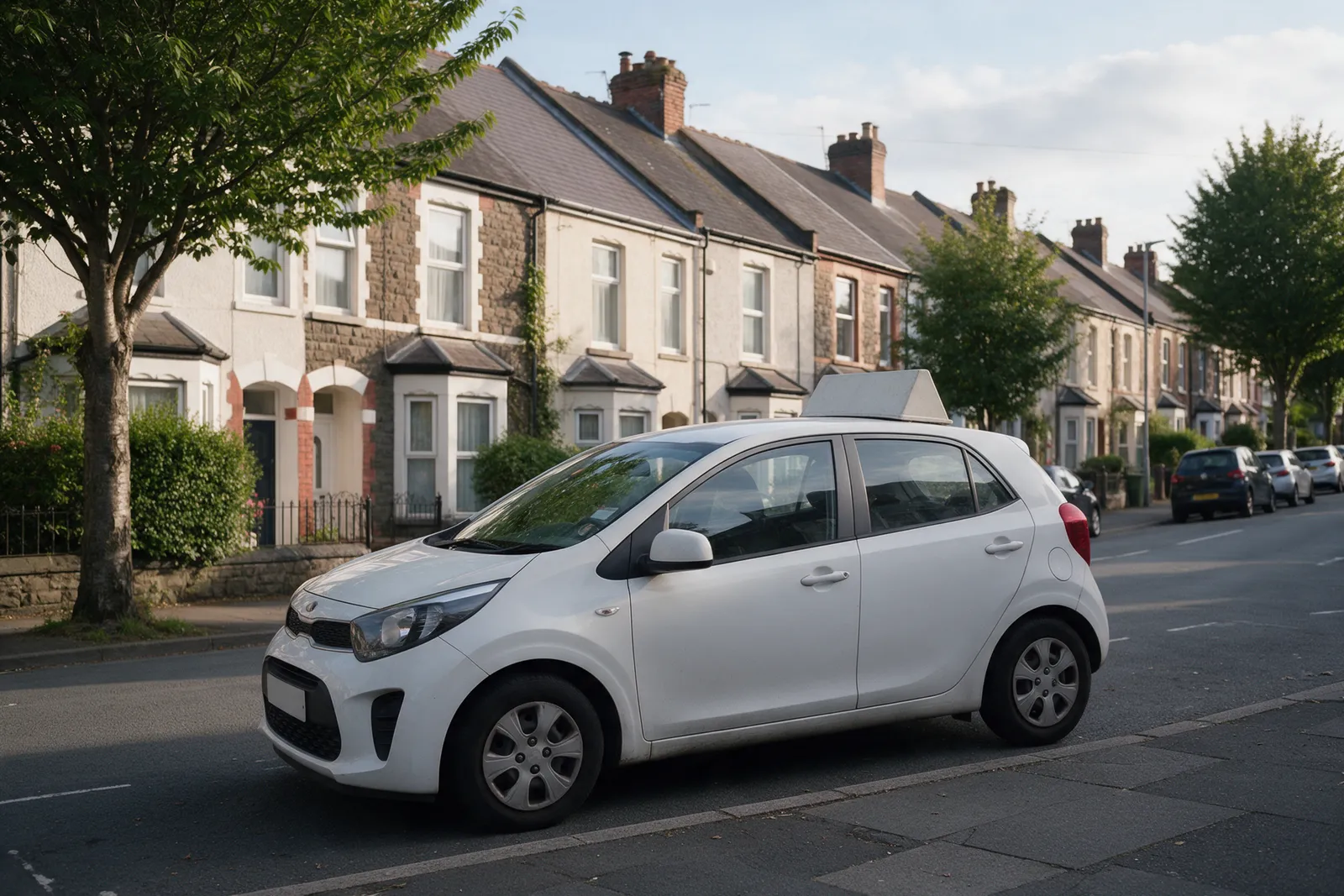
A small white driving-school car on a tree-lined streetTheory

How hazard perception is scored

Three minutes

Each clip has one developing hazard (one has two). You score five if you click as it starts developing, down to one as it gets closer, zero if you miss it or click in a pattern. Click once when you first see it, once more a second later, and never rhythmically: the software spots that and scores zero.

A car reversing into a bay on a quiet streetTheory

The topics people get wrong

Three minutes

Stopping distances (learn the table), motorway rules you have never used, what the different crossings are called, documents and the law, and the first-aid questions. Twenty questions on these in the app cover most of what fails people.

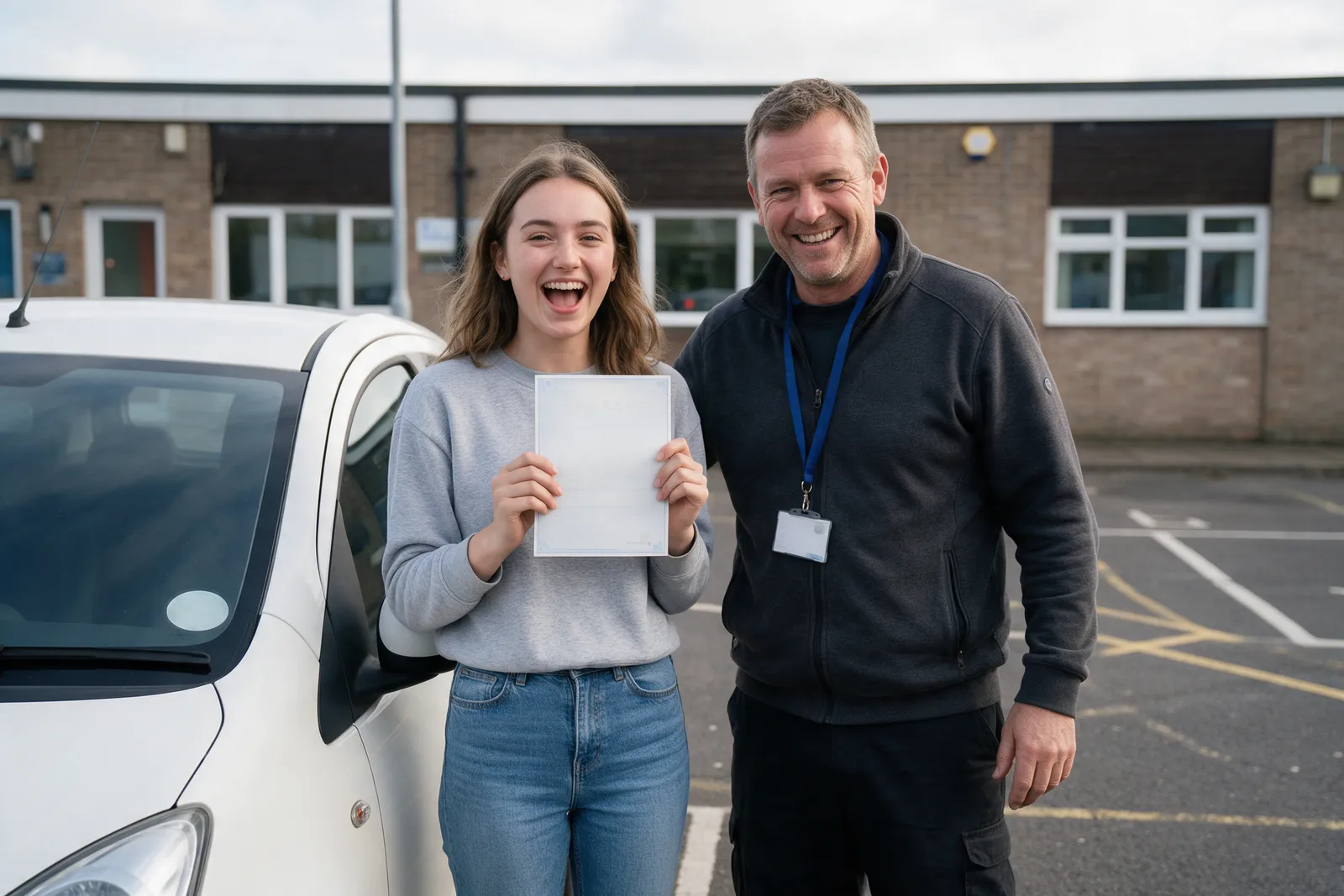
A young woman holding up a certificate beside a carTheory

On the day

Two minutes

Take your provisional photocard (nothing else counts), arrive fifteen minutes early, no phone in the room. Flag questions you are unsure of and come back; there is time. The certificate number is what we need to book the practical, so photograph it.

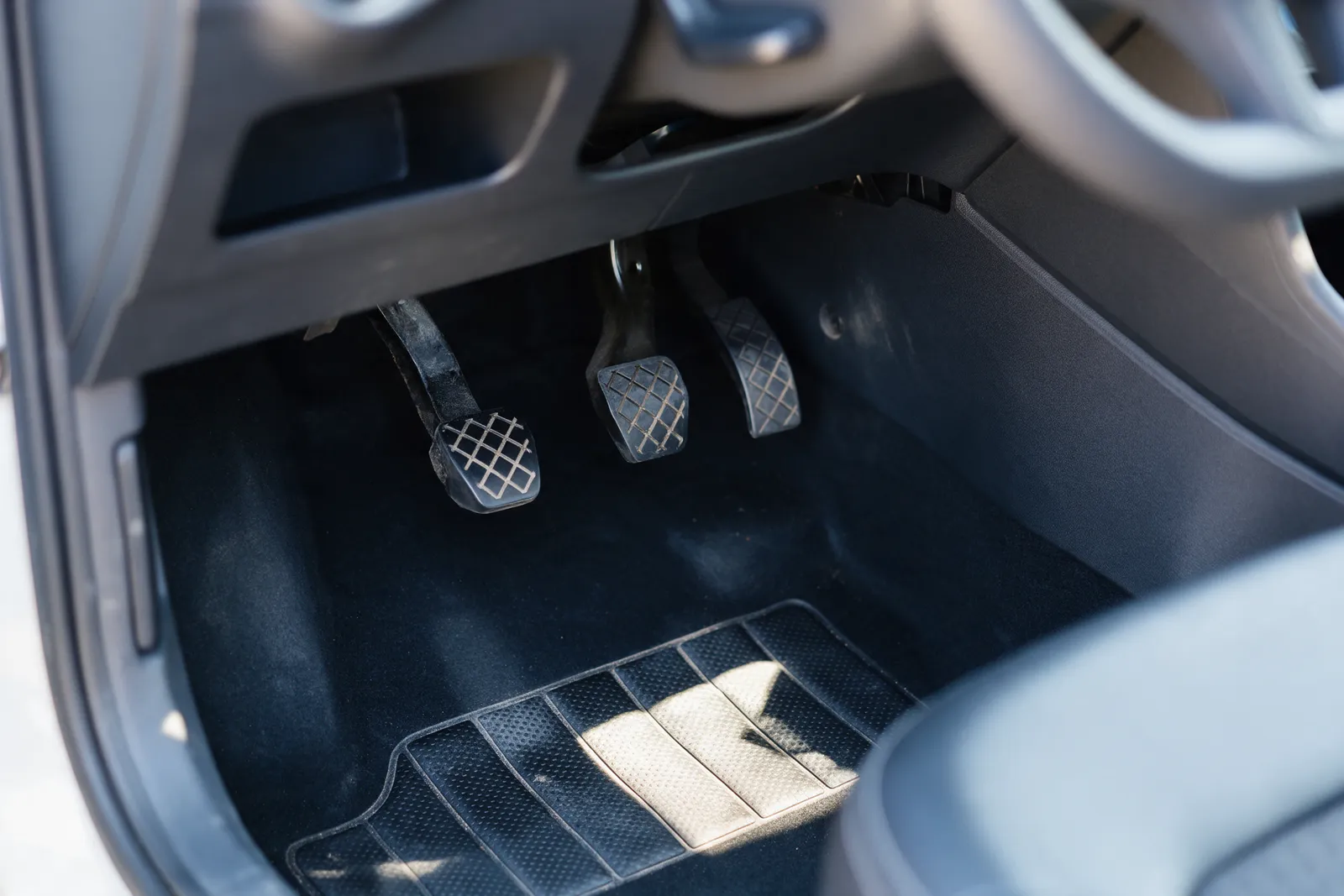
The dual control pedals in a driving-school carTheory

Welsh, languages and extra support

Two minutes

The test is available in Welsh and English, with voiceover in several languages, and with extra time or a reader if you have dyslexia or another reading difficulty: ask for it when you book, with a note from your school or a professional. Your instructor will help with the form.

The three-week plan

Twenty minutes a day. Here is what each week is.

  • Before you start. Buy the app with the official DVSA question bank and hazard clips (a few pounds). Do one mock test cold to see your starting score; most people get 30 to 35.
  • Week one: the bank by topic. Fourteen topics, one or two a day, until each is at 80% or better. Read the explanation for every wrong answer; that is where the learning is.
  • Week two: mock tests. One full fifty-question mock a day until you score over 45 three days running. Go back to any topic that keeps costing you.
  • Week three: hazard perception. Ten clips a day. Click once when a hazard starts developing, once more a second later, never in a rhythm. Aim for 55 out of 75 in the app; the pass mark is 44.
  • Book it. When the app says 90% overall and your instructor agrees, book on GOV.UK for the Newport Road centre. Take your provisional photocard. Photograph the certificate for us.
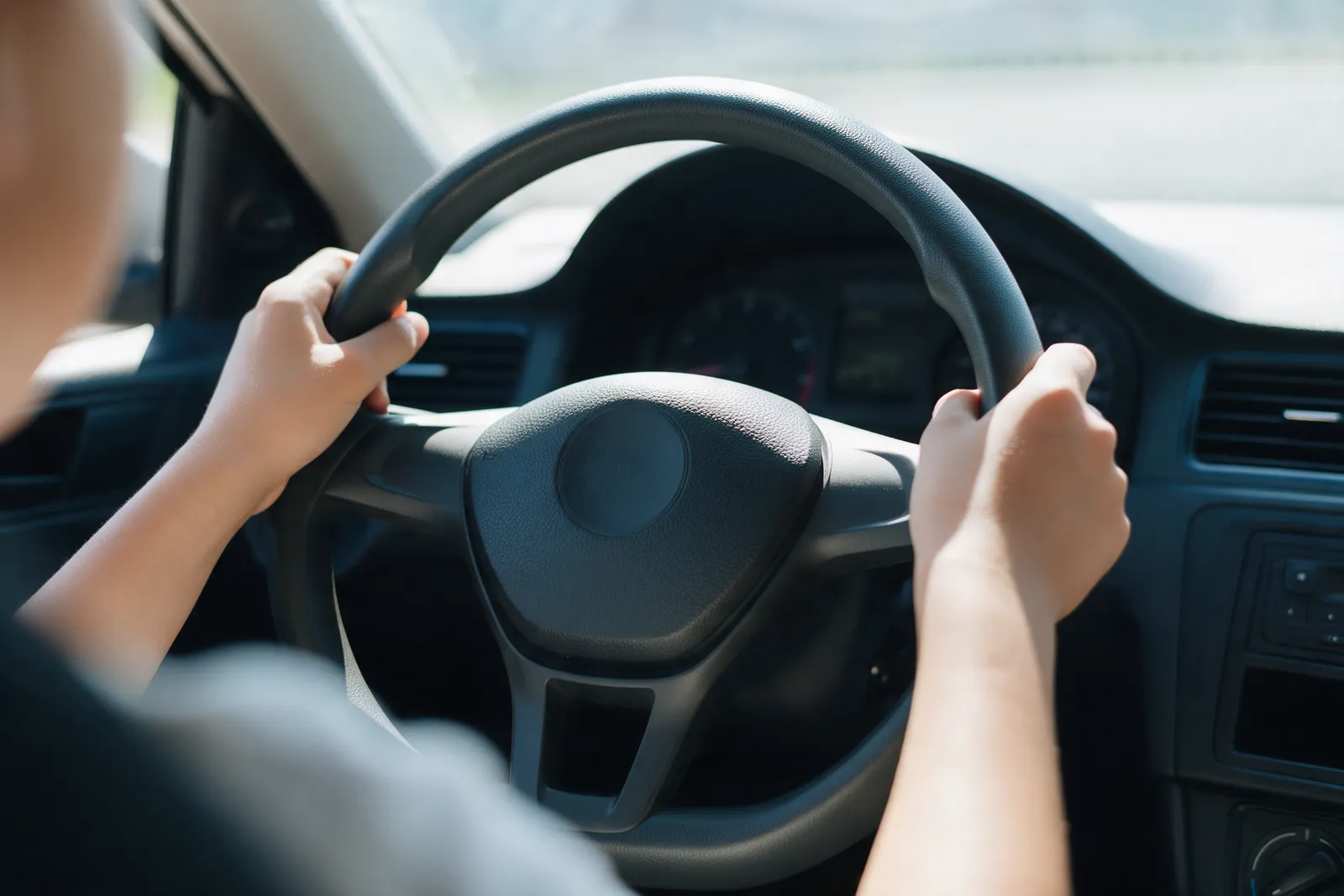
A close-up of a young learner's hands on a steering wheel at ten to two with bright daylight through the windscreen

Theory test questions

How long does the certificate last?

Two years from the pass. If you have not passed the practical by then you sit the theory again, so we do not book it until lessons have started and the practical is in sight.

Can I take it in Welsh?

Yes, or in English, and with a voiceover in several other languages. Choose when you book. Extra time or a reader for dyslexia or another reading difficulty is available with a note from a school or a professional.

What if I fail?

You get a sheet showing which topics you lost marks on and can rebook after three working days. Most people who fail do so on hazard perception; do week three again, properly, and it is usually fine.

Is there a trick to hazard perception?

Only the scoring. Each clip has a developing hazard and a window of about five seconds; the earlier you click in that window the more you score, down to one. Click once as soon as you see something that might make you change speed or direction, once more a second later, and then leave it. Clicking constantly scores zero for the clip.

Book the introductory two hours. £60, from your door.

The controls on a quiet road, moving off and stopping, and enough driving to see how you take to it, with the instructor who covers your area. At the end you get a written plan and an honest estimate of the hours. Book with the form or ring the office, Monday to Saturday 8 to 7.