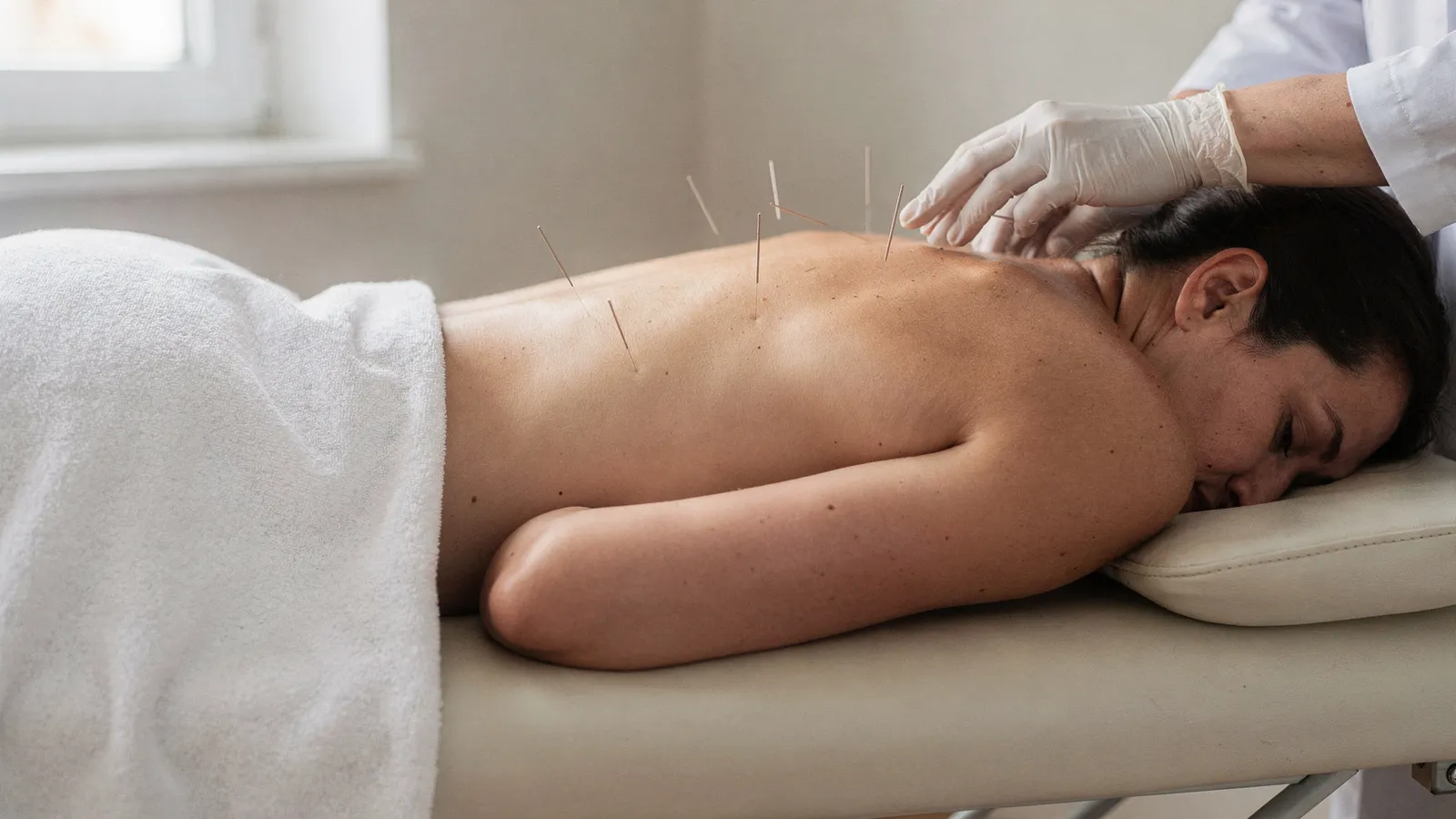
Back and neck pain
For long-standing aches once your GP has ruled out anything serious. NICE does not recommend acupuncture for low back pain, and we tell you so.
£305 to £401 for a course.
Clive Road, old Llantrisant, since 2009
Traditional acupuncture in a stone cottage. Each point on the figure links to what people come for, with what the research does and does not say about it. We do not claim to cure anything.
What people come for
For long-standing aches once your GP has ruled out anything serious. NICE does not recommend acupuncture for low back pain, and we tell you so.
£305 to £401 for a course.
NICE says a course of up to ten sessions over five to eight weeks can be considered for preventing migraine, when preventive medicines are unsuitable or have not helped.
Up to £497 for ten.
Some people want calm, regular time for themselves during treatment. Reviews have not shown that acupuncture clearly improves live birth rates, and we will not suggest it does.
£401 to £593 for a course.
Some women find it helps them feel better, and some trials show fewer hot flushes, but it has not clearly beaten placebo needles. It sits alongside your GP's advice.
£305 to £401 for a course.
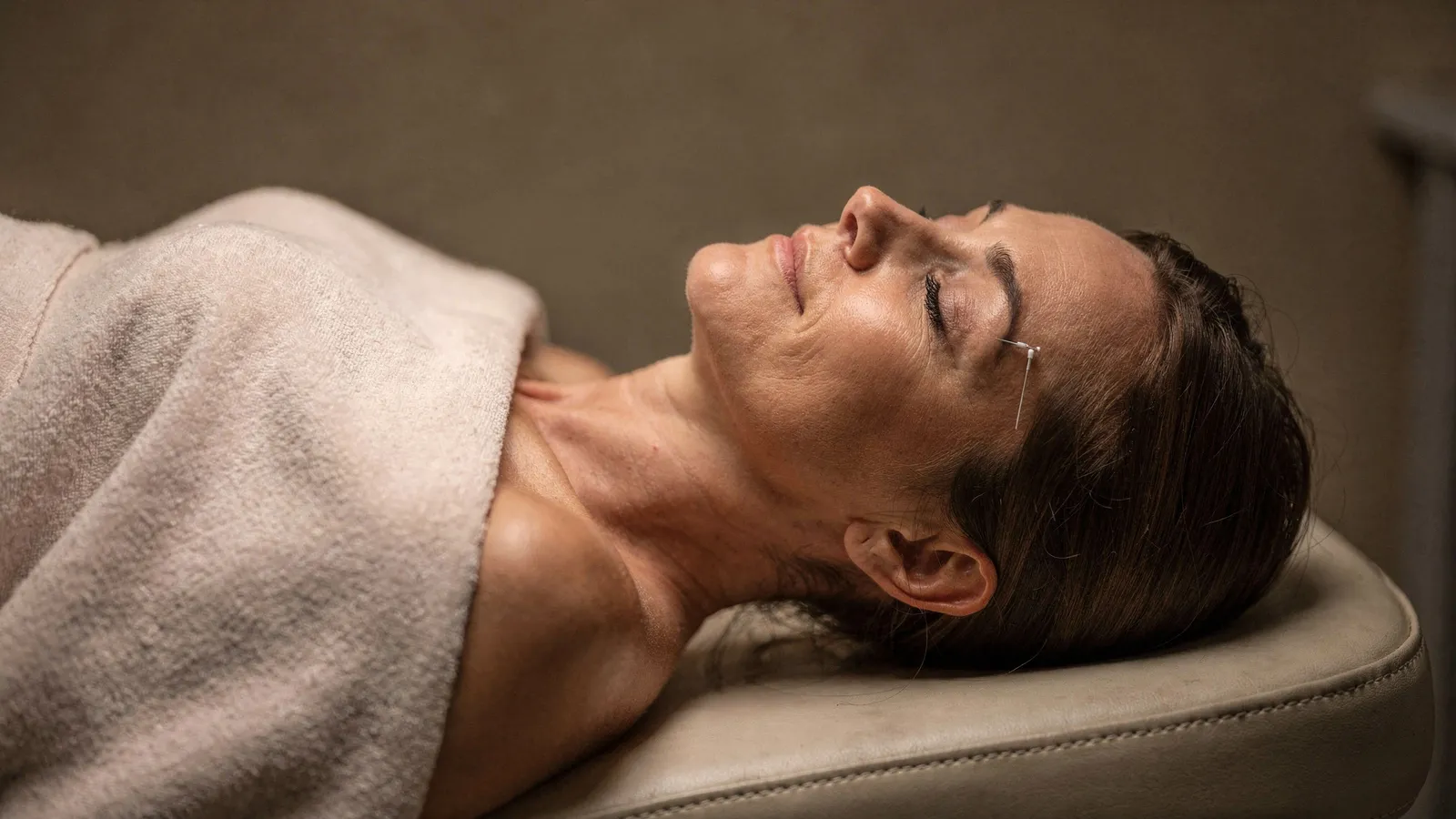
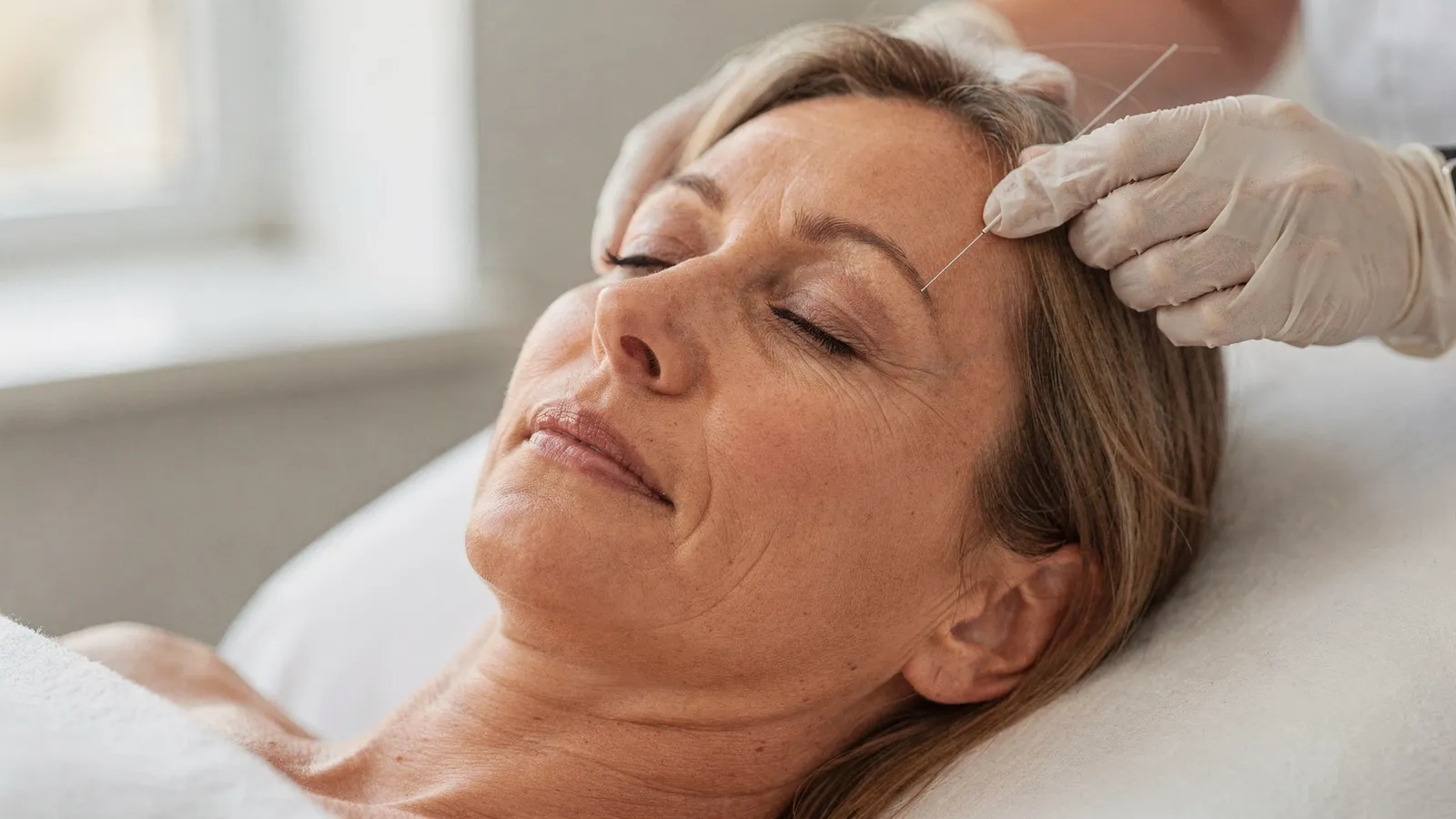
Fine needles in the face and scalp, a massage, and an hour of lying still. It is lovely if you like that sort of thing. The evidence that it changes your skin is thin.
£70 a session.
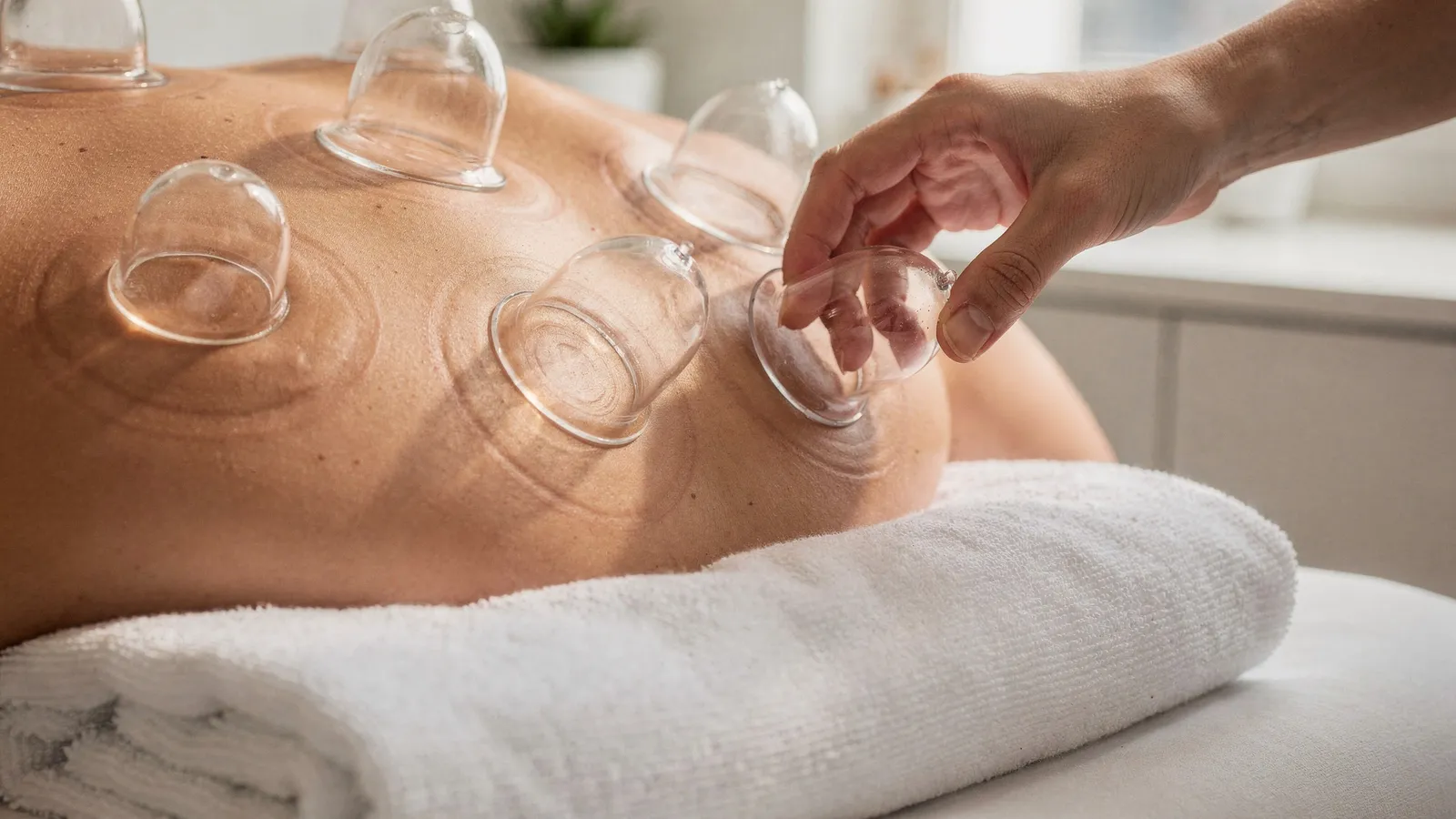
Glass cups on the back, using a hand pump rather than flame. Many people like how it feels. It leaves round marks for up to a week, and the evidence is poor.
From £30 added on.
How we work
Pain, headaches and hormonal changes all have causes worth ruling out. If you have not been checked, we will ask you to be, and we will write a note if you like.
We agree a course length at the start, and review at session four. If nothing has changed by then, we will say so and suggest you stop paying us.
That includes NICE guidance that is not on our side. You will find it on the course page, in plain words, next to the price.
At any point, about any needle, for any reason. Most people barely feel them. Some do, and it is your body.
A first appointment
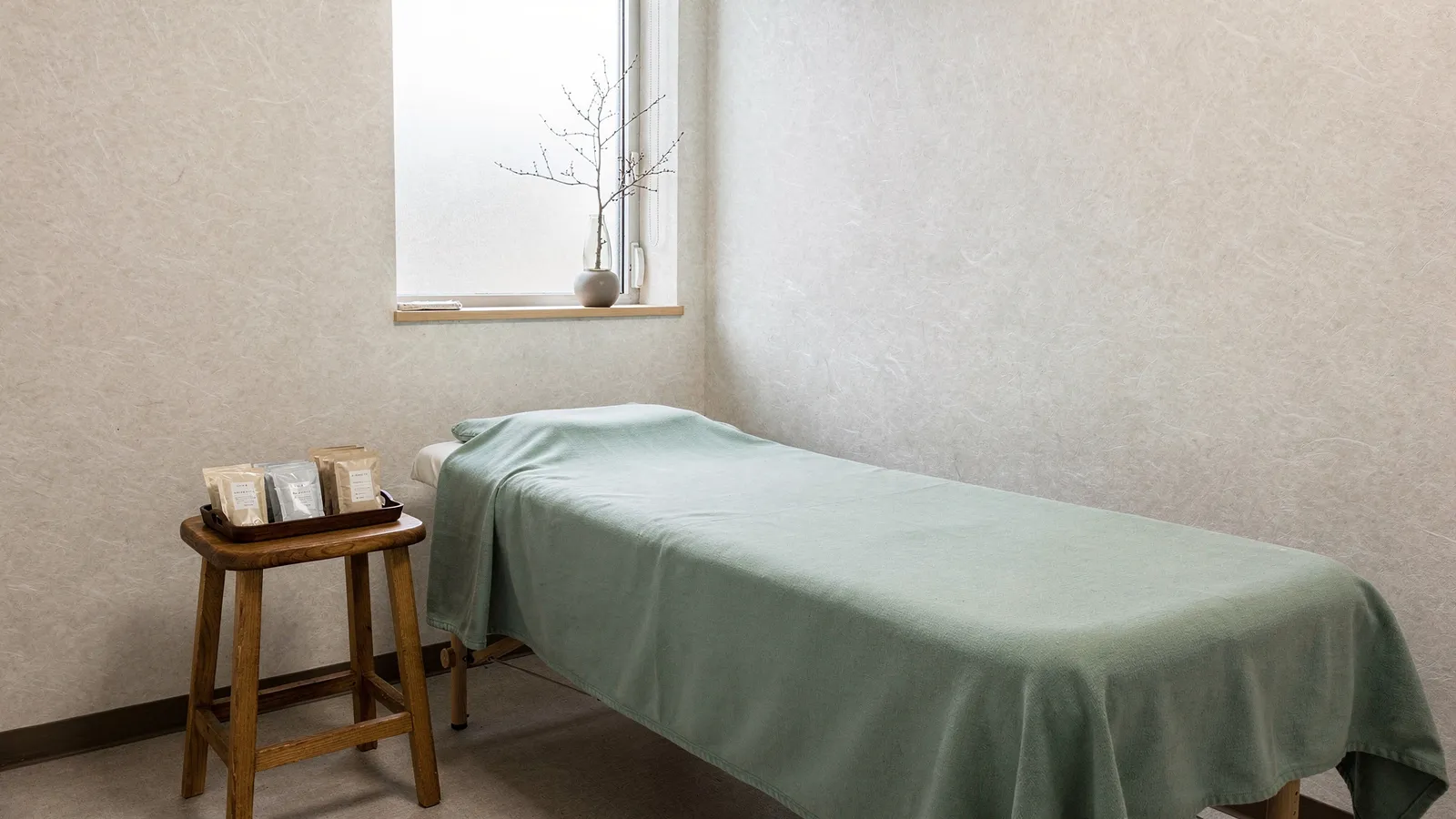
We ask about your problem, your health, your medicines, your sleep and what your doctor has said. We take your pulse and look at your tongue, which is part of the tradition and not a medical test. Then you lie down, and we place a small number of very fine needles. You rest for about twenty minutes.
Wear something loose that rolls up. Eat something first, so that you do not feel faint. Bring your list of medicines.
Book a first appointmentReviews
Ling had me keep a diary, and at the end we looked at it together. I still get them, but fewer, and my neurologist was happy for me to carry on. She was very clear that it might not work.
I have sat in a lorry for thirty years. Rhys told me up front what NICE says about backs. I gave it six sessions anyway. It eased a bit, I sleep better, and he has me doing stretches at the depot.
She told me on day one it would not make IVF work. I went anyway, for the hour. It was the only appointment in all that time where nobody was looking at a screen.
For some things the evidence is reasonable, and for others it is poor or against it. The course page gives you our honest reading for four common reasons people come. We do not claim to cure anything.
They are much finer than a blood-test needle. You may feel a tiny tap or a dull ache. If anything is sharp, say so, and it comes out.
Usually between six and ten, reviewed at the fourth session. If nothing has changed by then, we will say so. There is no block booking.
£65 for the first seventy-five minutes and £48 for each forty-five-minute session after. Some health insurers cover it: please check with yours first.
Done properly by a trained practitioner, serious problems are rare. The safety page explains what can happen, what to tell us, and when we would say no.
Yes. Please do not stop any medicine or medical treatment to come here. New, sudden or severe symptoms need a doctor first.
Seventy-five minutes for £65. We ask what your doctor has said, tell you what the research says, and agree a stopping point before a single needle goes in.