Services
Woodworm and dry rot
Telling old woodworm from active, wet rot from dry rot, and treating only what is alive or spreading.
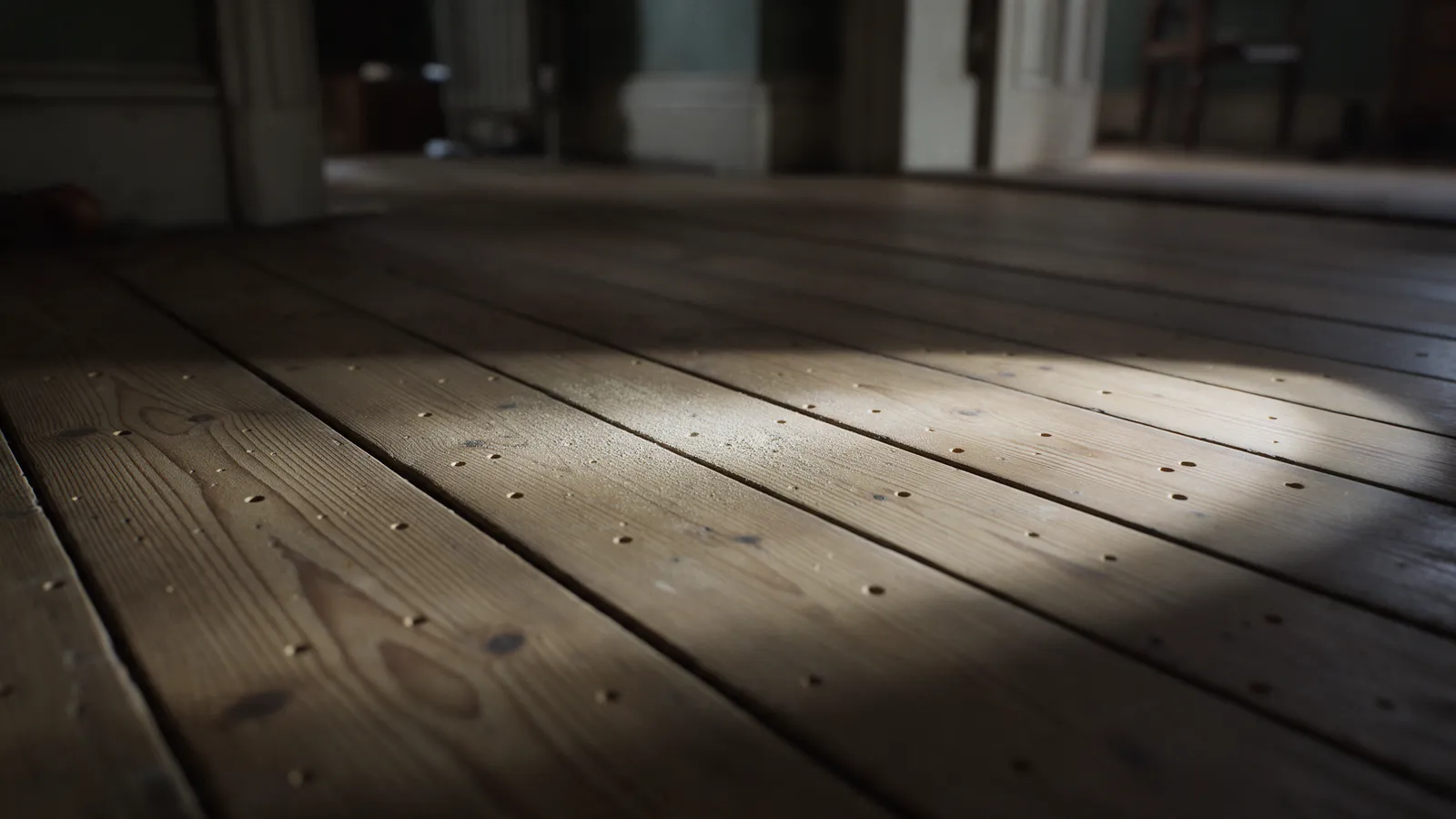
Woodworm treatment from £350 a floor; rot priced after a survey
Most woodworm holes in old houses are decades old and the beetles long gone. Fresh holes with pale dust under them in spring and summer mean it is active. We treat the active ones, and we tell you which is which.
Active woodworm is treated with a water-based insecticide sprayed onto every exposed face of the affected timber, which kills the larvae as they emerge. Badly weakened joists or boards are replaced. The real cure is dry timber: woodworm prefer damp wood, so we always look for why it is damp.
Wet rot stays where the timber is wet. Find and stop the water, cut out the rotten timber and replace it, and the job is done. Dry rot is different: it can spread through damp masonry to reach new timber, so it is opened up, cut back well beyond the visible growth and the masonry treated.
If you suspect dry rot, a white cotton-wool growth, grey strands or a rust-red fruiting body with a mushroom smell, ring us that week and do not disturb it.
What is included
- Active or old woodworm told apart
- Water-based treatments, low odour
- Weakened timber replaced
- The moisture source found and fixed
- Dry rot cut back and masonry treated
What it costs
Woodworm treatment to a floor or loft from £350; wet and dry rot repairs priced after a survey, including the timber and the cause. Every treatment starts with a survey, because a survey decides what, if anything, needs doing.
A survey decides
Questions about woodworm and rot
Are woodworm treatments safe?
Modern water-based treatments are, once dry. Keep pets and people out of the room for the day of treatment.
How do I know if woodworm is active?
Fresh, sharp-edged holes with fine pale dust below them, between April and September. Old holes are dark inside.
Is dry rot covered by insurance?
Usually not, because it is gradual. Check your policy; our report gives the cause either way.
Not sure what it is? That is what a survey is for.
An hour on site, outside first, with a meter, a hygrometer and a thermal camera, and a written report in three working days. About a third of our reports recommend no work by us at all.