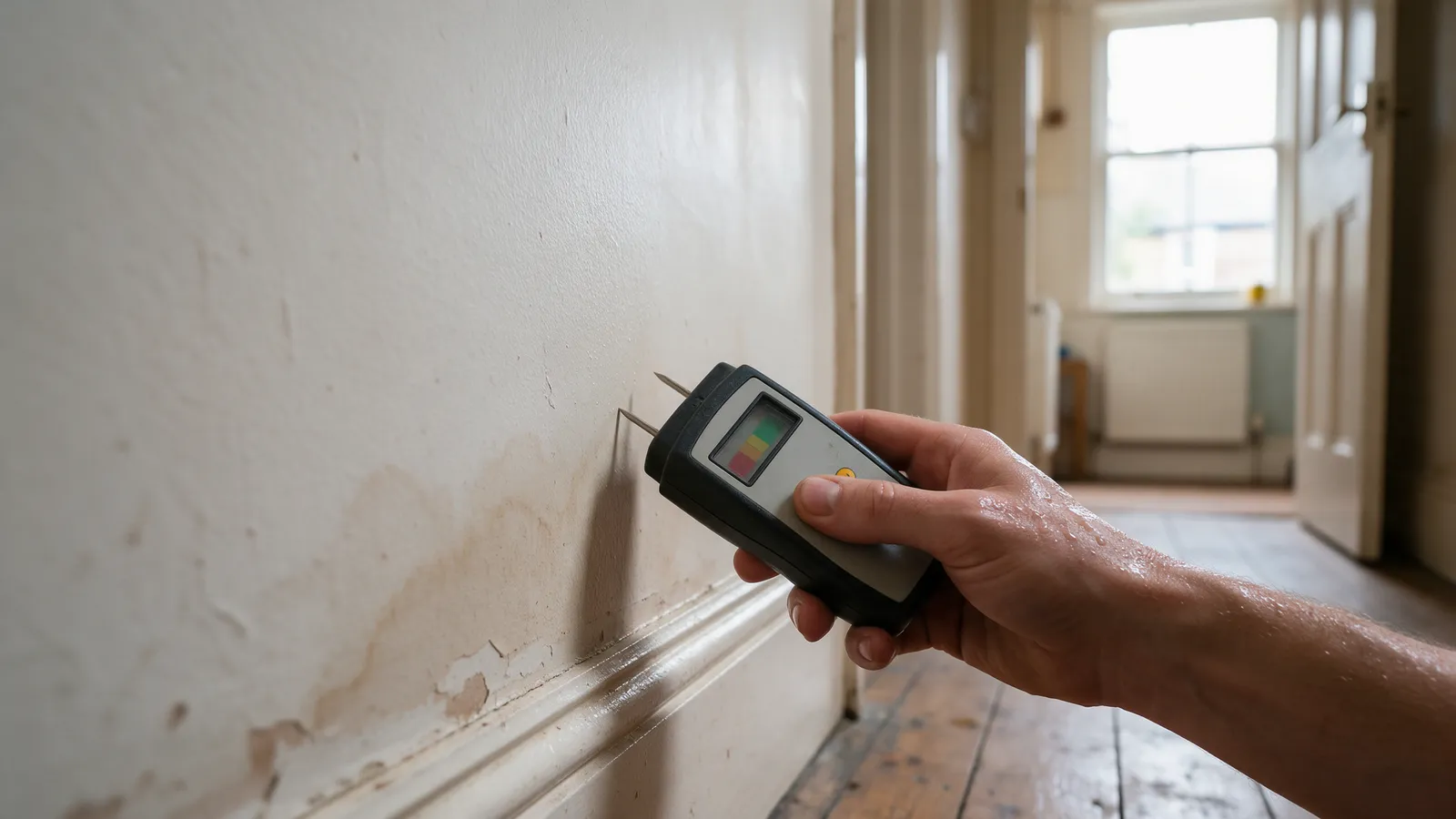
Ref. D01
Damp and timber surveys
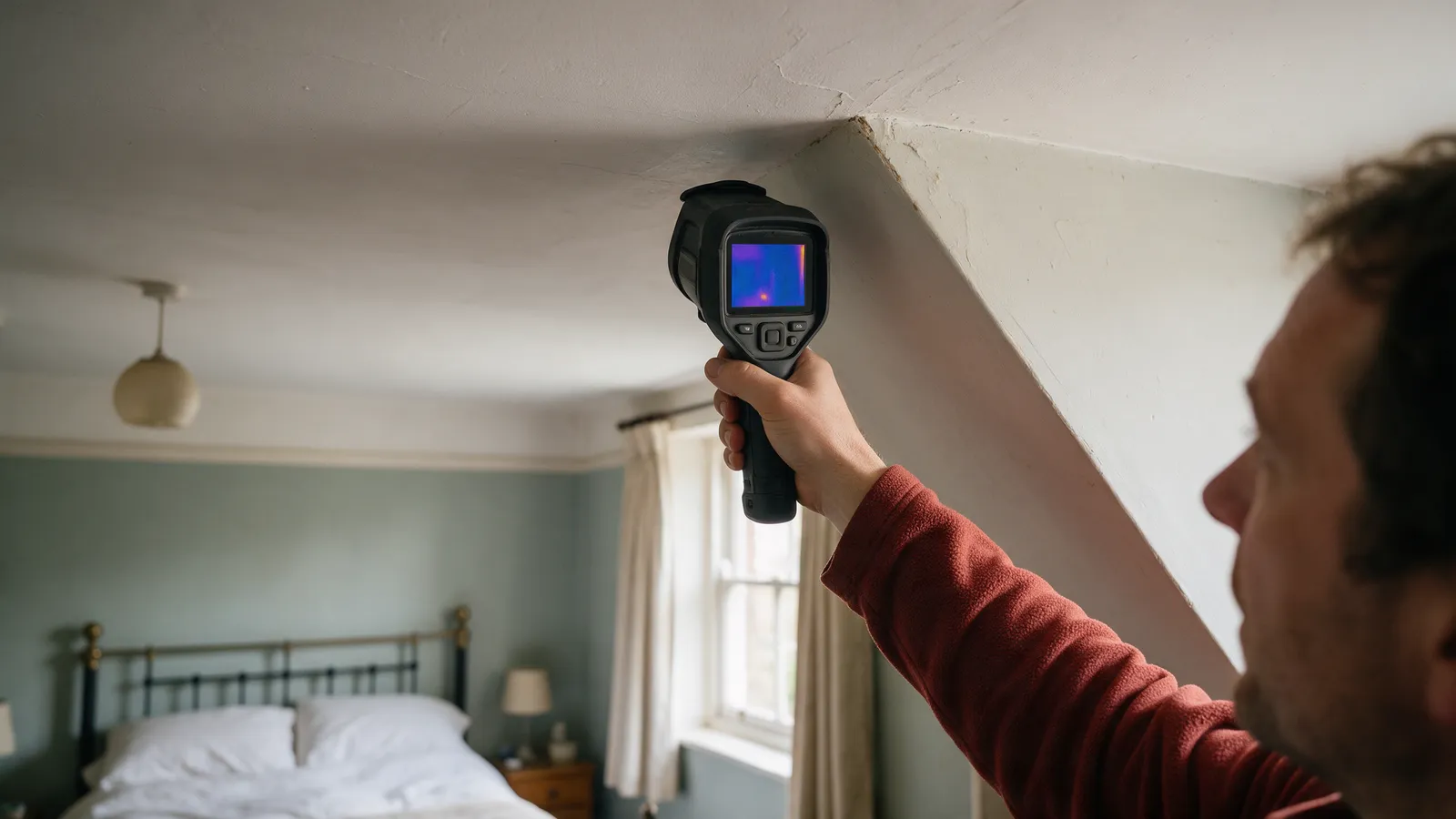
A surveyor, a meter, a hygrometer and a thermal camera for about an hour, then a written report on the cause.
A damp and timber survey with a written report, £195
Damp surveys · Newport
Tick what you can see and the drawing shows where it is likely to come from. Then an hour on site with a meter, a hygrometer and a thermal camera; £195 with a written report.
Next free survey: Thursday 5 November, 1:30pm
7 in 10: condensation
Section through a solid wallThree causes of damp, and timberScaleNTSDrg.DW-01
Four causes
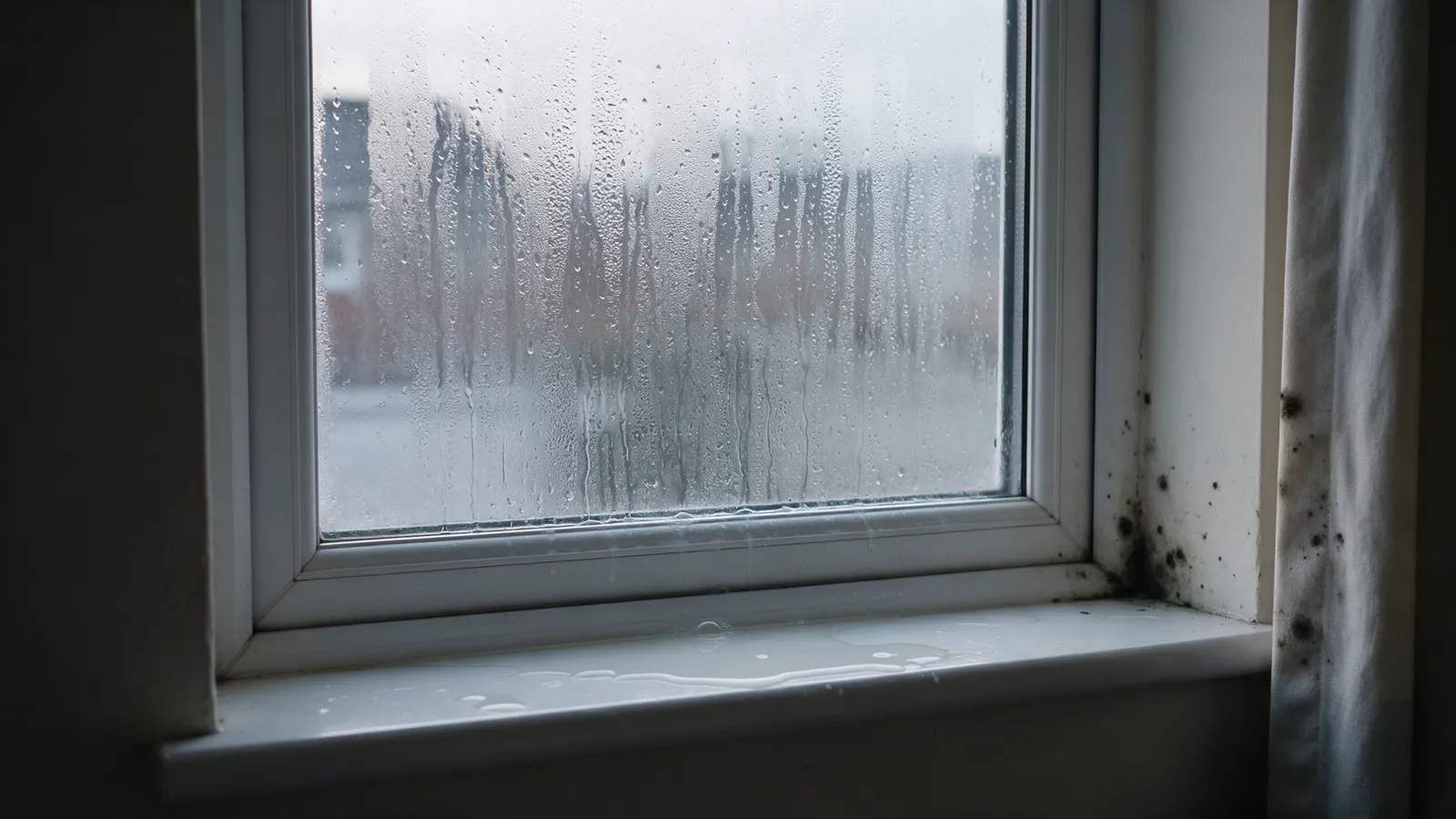
Warm, wet air from cooking, showers, drying washing and breathing meets a cold wall or window and turns back into water. It is the most common damp in British homes by a long way.
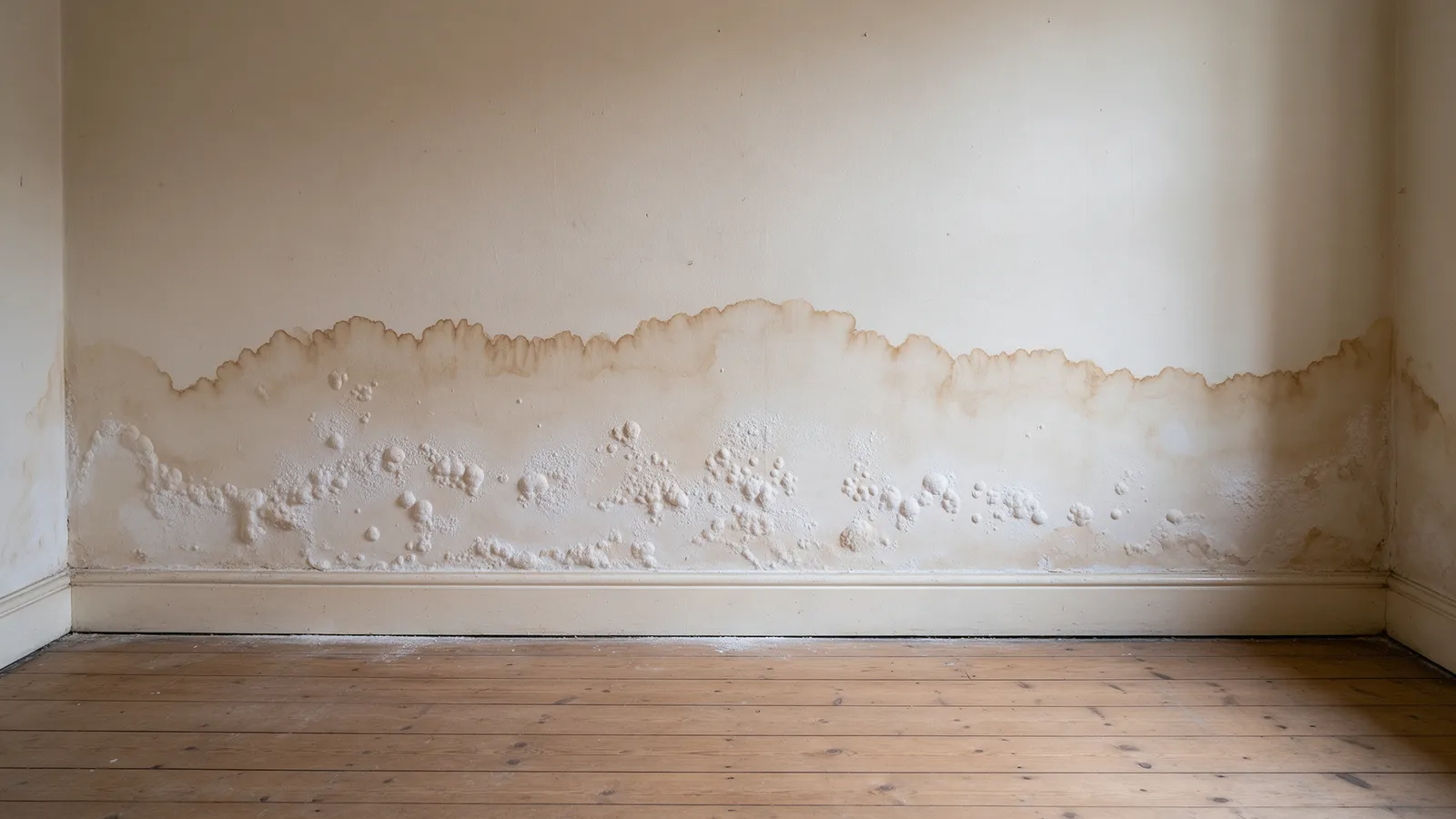
MoreGround water drawn up a wall that has no working damp-proof course, leaving a tide mark up to about a metre and salts in the plaster. Real, but rarer than most people are told.
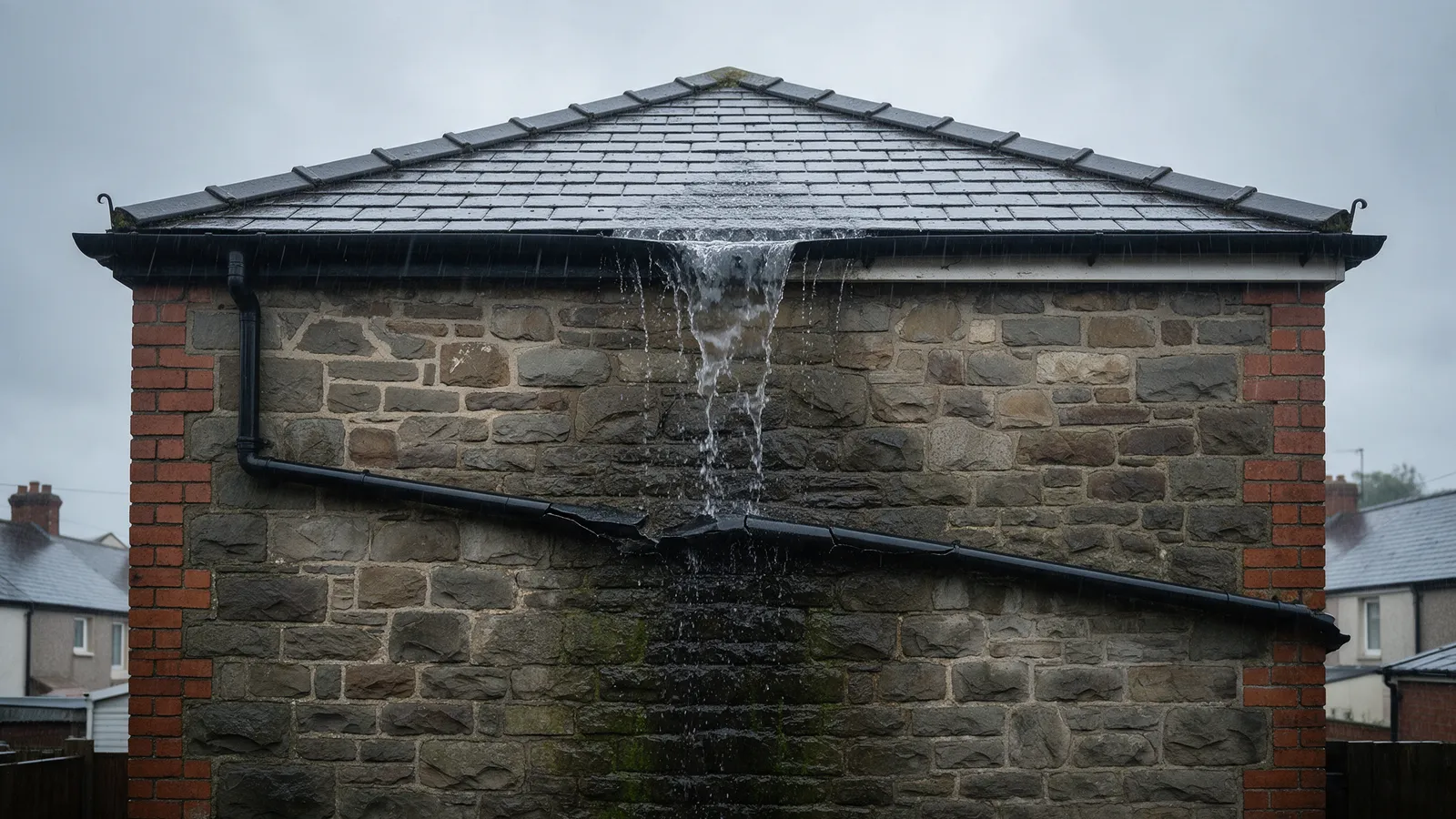
MoreRain getting through the wall from outside: an overflowing gutter, a cracked downpipe, failed pointing, cracked render or a leaking chimney flashing. Patches usually grow after wet weather.
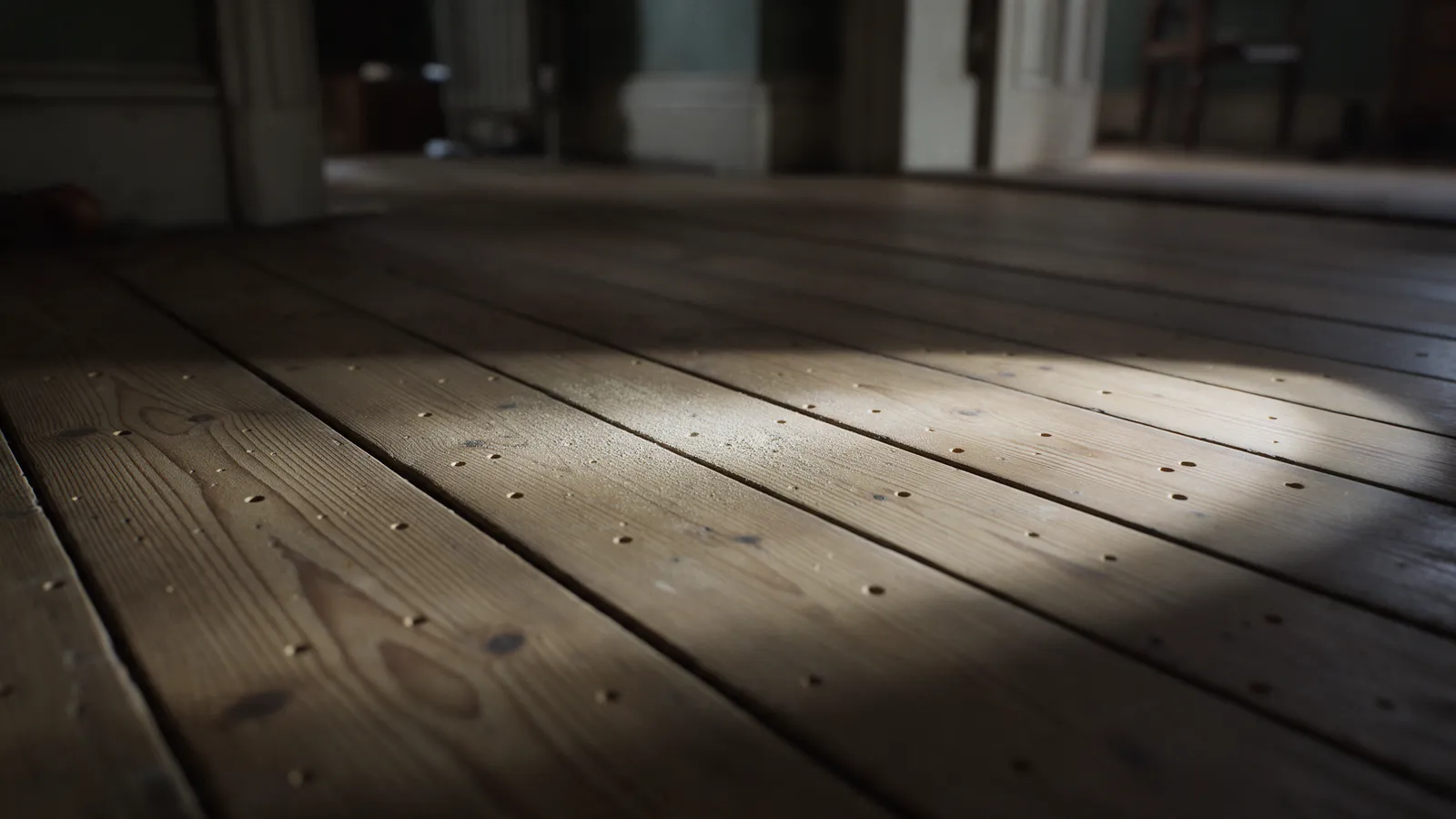
MoreWet timber rots. Wet rot stays where the water is; dry rot can spread through masonry and needs fast attention. Woodworm is active only if there is fresh pale dust in spring and summer.
MoreServices
Ref. D01
A surveyor, a meter, a hygrometer and a thermal camera for about an hour, then a written report on the cause.
A damp and timber survey with a written report, £195
Ref. D02
Humidity-controlled fans, positive input ventilation and the habits that keep windows dry, after a visit that logs the air.
Condensation visit £95, extractor fans £320, PIV units £595
Ref. D03
Only where a survey has confirmed it: the cause removed first, then a damp-proof course and salt-resistant replastering.
Only after a survey, from about £35 a metre
Ref. D04
Finding where the rain gets in, fixing the outside first, and letting the wall dry before replastering.
Repointing from £60 a square metre, priced after a survey
Ref. D05
Telling old woodworm from active, wet rot from dry rot, and treating only what is alive or spreading.
Woodworm treatment from £350 a floor; rot priced after a survey
Ref. D06
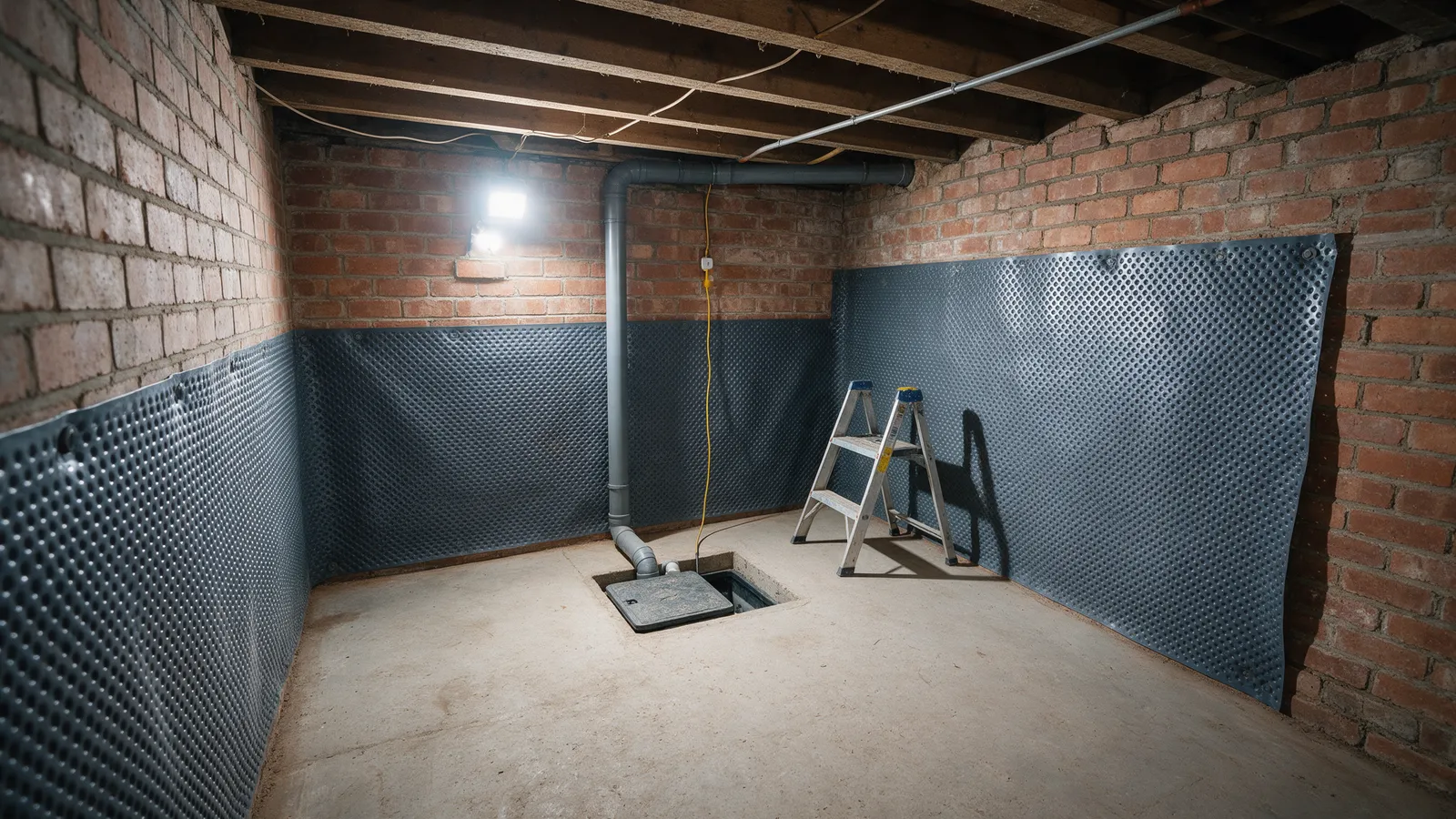
Turning a wet cellar into dry storage or a room, with a cavity drain membrane and a pump, after a survey of where the water comes from.
Cavity membrane systems from £85 a square metre
How it works
The symptom checker gives a likely cause and things to try first, for free. It is a starting point, not a diagnosis.
An hour on site, outside first. Weekday mornings and afternoons, Saturdays by arrangement.
Readings, photographs and the cause, with what to do in order of cost. Often the answer is not us.
Outside and ventilation first, treatments only where the cause is confirmed, and readings again after.
Prices
£195
About an hour on site with a meter, a hygrometer and a thermal camera; samples where it matters; the report in three working days.
£225
The same survey for a house you are buying, booked around the solicitor, with the report the next working day.
£95
A logger left in the house for a week, then a plain account of what is making the water and what to change.
£320
A humidity-controlled fan in a kitchen or bathroom, sized to the room, with a quiet run-on.
£595
Positive input ventilation in the loft, with a filter and a heater, for terraces and flats with no through draught.
£350
Water-based insecticide to every exposed face, weakened timber replaced, after the survey says it is active.
How we work
A moisture meter alone cannot tell rising damp from condensation or salts. We use a meter, a hygrometer, a thermal camera and, where it matters, a sample taken back to weigh.
Most damp in Newport's terraces comes from outside: a gutter, a downpipe, a bridged floor level. We look outside before we look at the wall.
Where we do treat, the guarantee is insurance-backed and names exactly what was done. The scheme number is a placeholder on this demonstration site.
Both surveyors hold damp and timber surveying qualifications. Placeholders here, as on every demonstration site.
Condensation
Cooking, showers, kettles, drying washing and breathing put about ten litres of water into the air of a family home every day. In a house with new windows and blocked chimneys, it has nowhere to go but the coldest surface: the window, the corner behind the wardrobe, the outside wall of the back bedroom. That is not a building fault, and it is the cheapest damp to fix.
The survey diary
Surveys start at 9:30am and 1:30pm on weekdays and take about an hour. Choose one and the form fills itself in; Saturdays by arrangement.
Reviews
Another firm quoted £2,800 for a damp-proof course. Alun spent an hour, took samples and found condensation and a blocked airbrick. Two fans and £320 later, the walls are dry.
Booked on a Tuesday with completion on the Friday. Report the next morning, clear about what was serious and what was not. We went ahead with a price reduction for the cellar.
The patch in the back bedroom was a cracked downpipe behind the extension. They replaced it, repointed a metre of wall in lime, and came back to check it had dried before plastering.
Probably not. Seven in ten of our damp surveys find condensation as the main cause, and a lot of the rest is rain getting in from outside. Rising damp is real but rarer than you are told. The symptom checker is a good first step.
£195 with a written report; £225 for a house you are buying, to your deadline. A condensation visit with a week-long humidity log is £95.
Because a free survey has to be paid for by selling treatment. A paid survey can say "you do not need us", and about a third of ours do.
Often, yes: steady heating, fans used properly, washing dried outside or in a ventilated room, furniture off outside walls. The condensation page has the whole list.
Treatments carry an insurance-backed guarantee that names exactly what was done and where. The scheme number is a placeholder on this demonstration site.
Yes, and our reports are written to be fair to both: what is a building problem, and what is how the home is lived in.
An hour on site, outside first, with a meter, a hygrometer and a thermal camera, and a written report in three working days. About a third of our reports recommend no work by us at all.