Condensation visit
a week's log£95
A logger records temperature and humidity every ten minutes for a week, so we can see what makes the water and when. Then a plain account of what to change.
Condensation
The most common damp in British homes, and the cheapest to fix: what makes it, the humidity to aim for, what to try first, and when a fan is worth it.
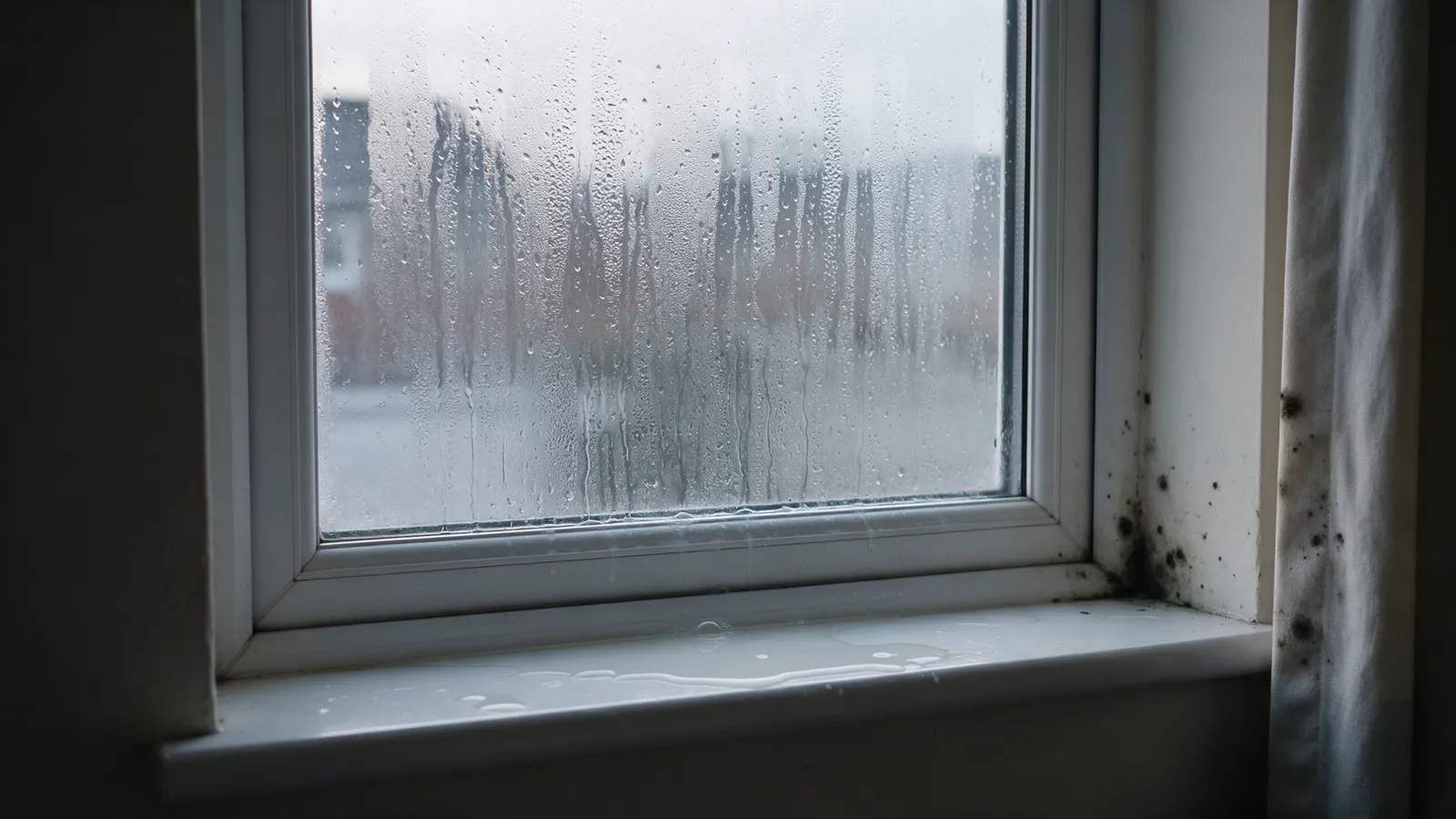
Where it comes from
Warm air holds more water than cold air. When the warm, wet air of a lived-in house touches something cold, a single-glazed pane, the reveal of a new window, the outside corner behind a wardrobe, it cools and drops its water there. Do it every night for a winter and you get black mould.
A family of four puts about ten litres of water a day into the air: two or three from breathing, more from showers and cooking, and as much as five from drying one load of washing indoors. Old houses got rid of it through chimneys and draughts. A sealed-up house keeps it in.
That is why condensation is not the builder's fault or the tenant's fault: it is both the house and the way it is lived in, and the fix is usually some of each.
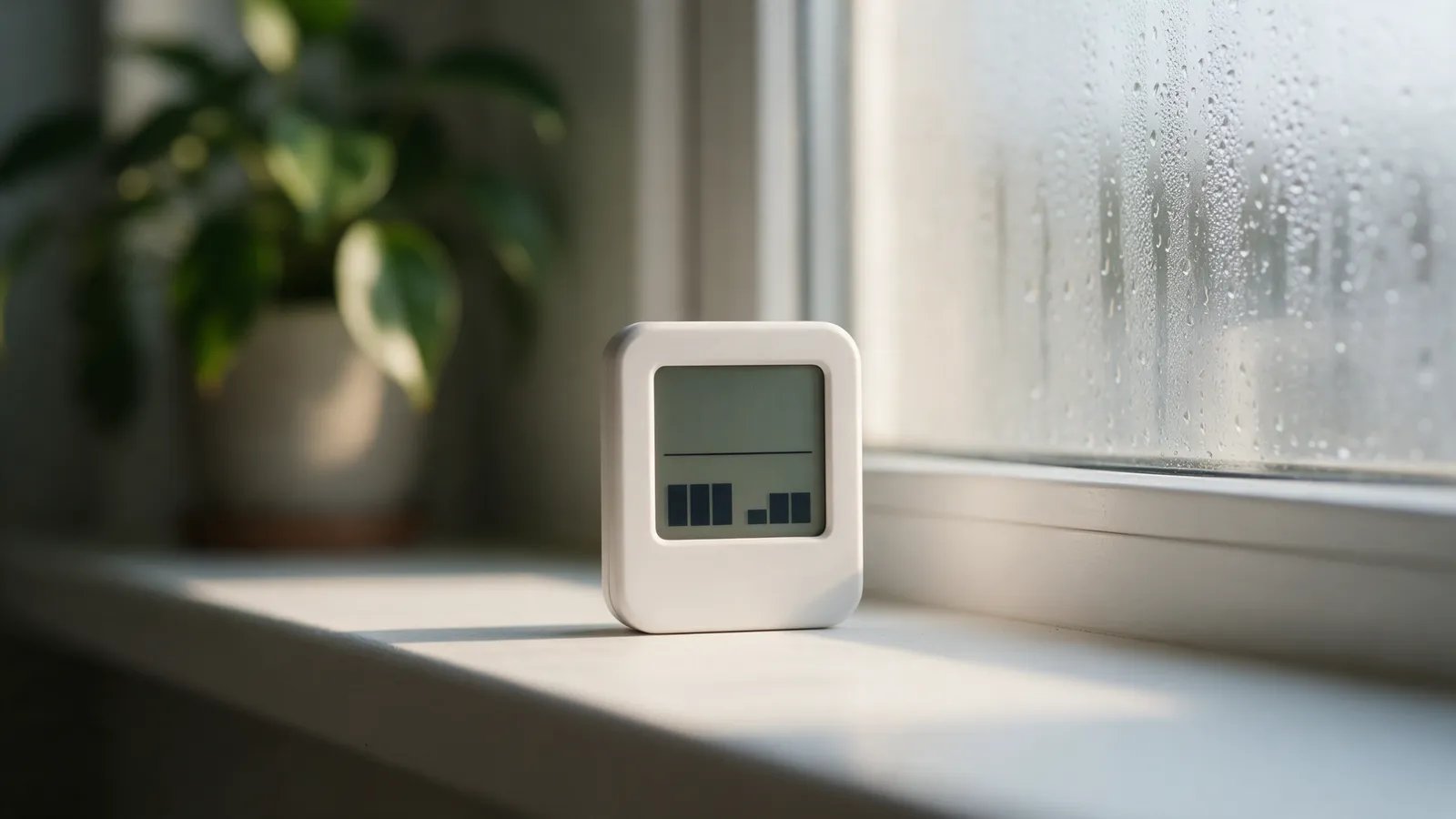
Relative humidity
A £10 hygrometer on a shelf away from the kitchen tells you more than anything else you can buy. Read it in the morning and the evening for a week.
Comfortable for most; dry eyes and static in winter. No condensation risk.
The range to aim for. Windows may mist on a cold morning and clear by mid-morning.
Condensation on windows and cold corners most mornings; mould starts within weeks.
Streaming windows, black mould, musty clothes in wardrobes. Something needs to change now.
Try first, for free
Wipe black mould off with a mould spray or diluted bleach, wearing gloves, and keep the room aired while you do. It comes back if the air stays wet, which is the point of everything above.
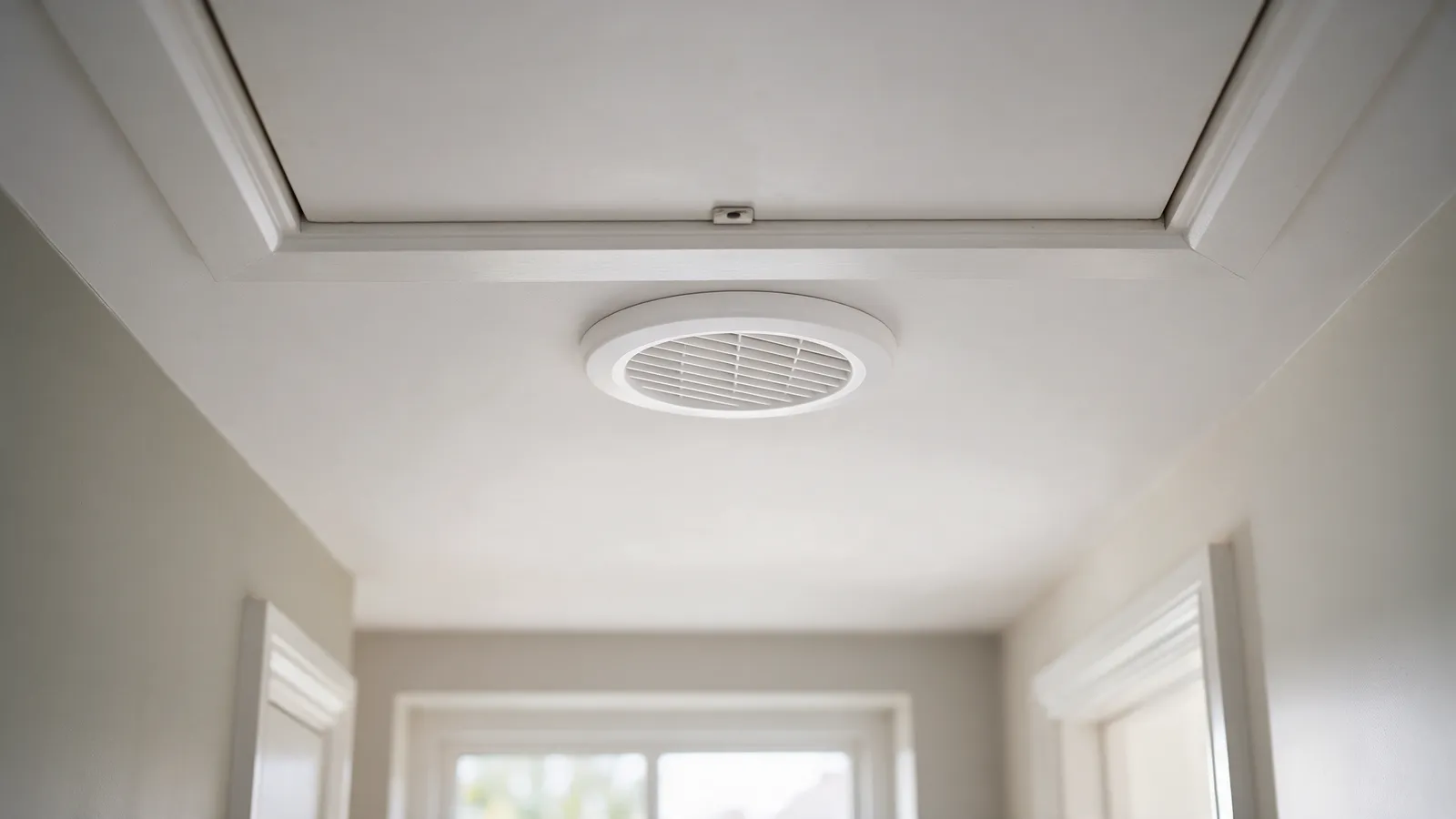
When habits are not enough
£95
A logger records temperature and humidity every ten minutes for a week, so we can see what makes the water and when. Then a plain account of what to change.
£320
Humidity-controlled, so it runs when the air is wet and stops when it is dry, in the kitchen or bathroom where the water is made.
£595
Positive input ventilation: a loft unit that gently pushes filtered air into the house so the wet air leaves. Best for terraces and flats with no through draught.
What we do not sell: dehumidifier contracts and anti-mould paint as a cure. Both treat the symptom; the water still has to go somewhere.
A small one in a bedroom or for drying washing helps, and costs a few pounds a month to run. It does not fix why the air is wet, so it is a support, not a cure.
Off all day and high at night makes condensation worse: the walls stay cold. Low and steady is cheaper than it sounds and keeps surfaces above the dew point.
Partly, perhaps, and partly the building. Our condensation visit report says fairly which is which, for both of you.
A condensation visit is £95: a logger for a week and a report that says what is making the water and what to change, in order of cost. Often the answer is a habit and one fan.