What we treat

Six things, each priced.

The routine care that keeps people walking, the fifteen-minute procedure that ends an ingrowing nail, an honest approach to verrucae, an hour on the treadmill for heel and arch pain, the diabetic check done properly, and the same care at home for people who cannot come in.

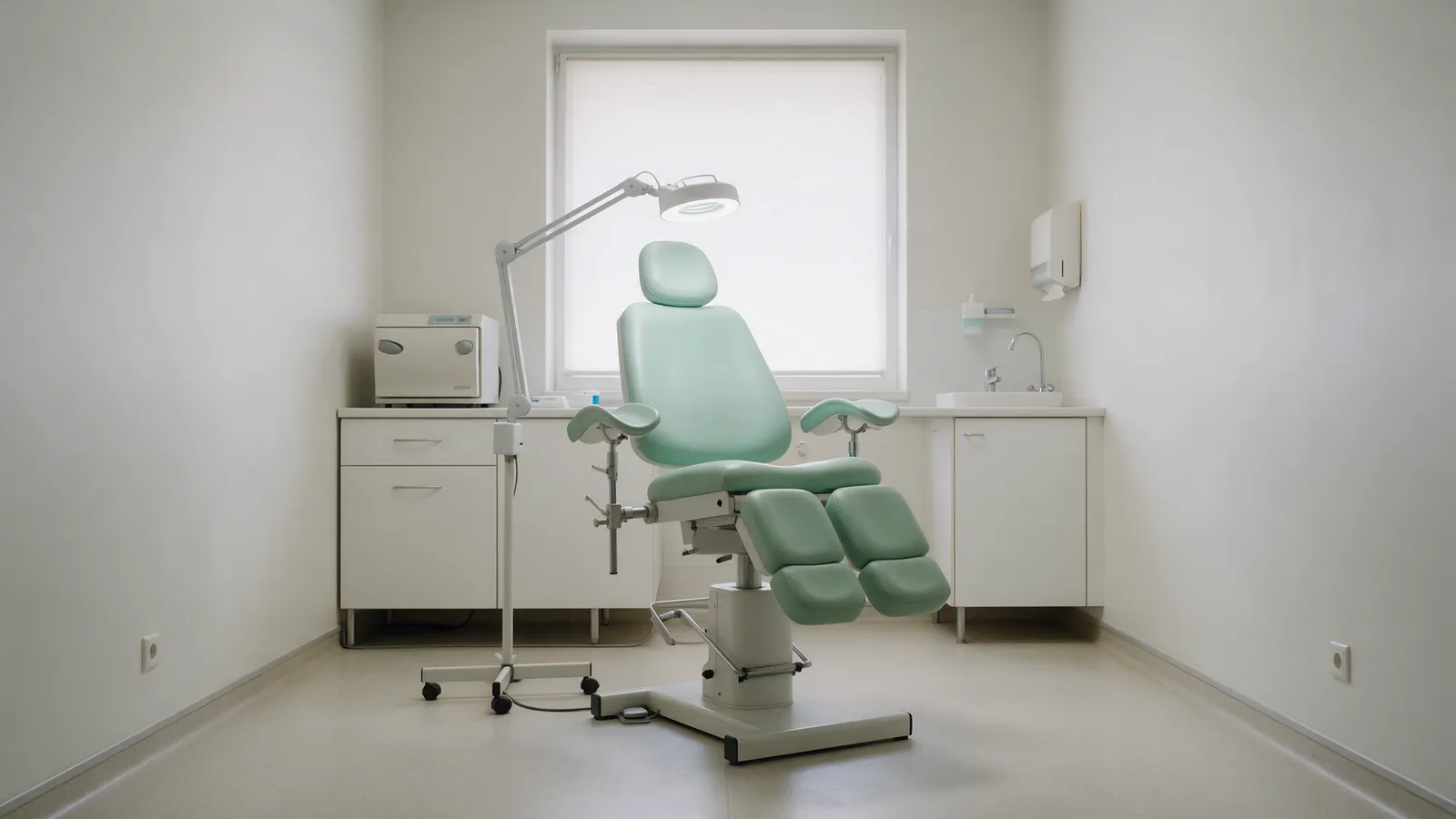
An empty bright podiatry treatment room with a mint-green adjustable chair, a white cabinet with an autoclave, an angled magnifying lamp and a window with a blind

All six

01

Routine chiropody

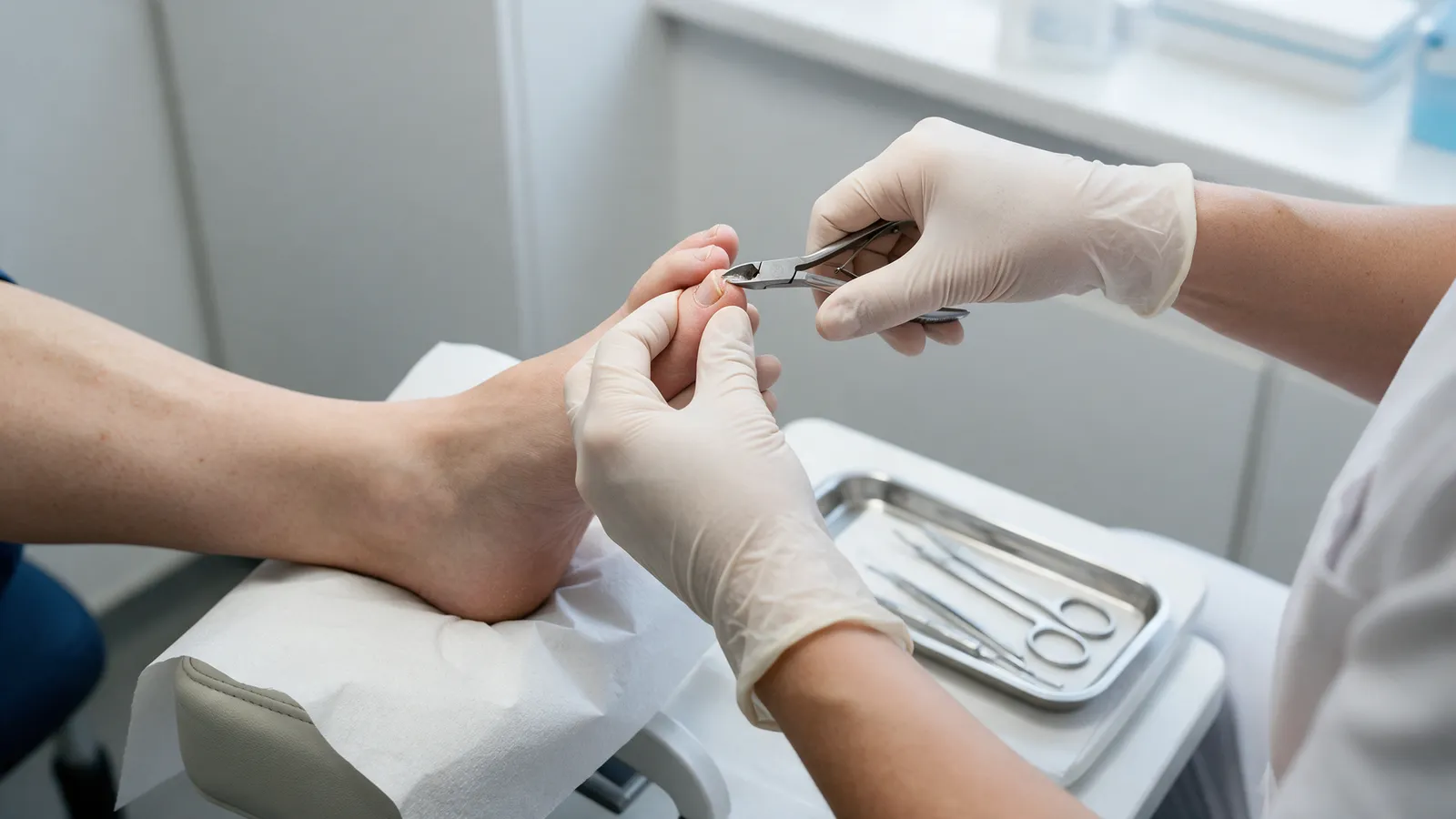
Thick or curved nails cut and filed, corns enucleated, hard skin reduced, cracked heels treated and the skin advice that keeps them away. The appointment most of our patients have every six to ten weeks, for £42; the first visit is forty-five minutes with the full assessment for £52.

The first appointment £52, forty-five minutes with the assessment; routine visits £42 for thirty minutes.
02

Ingrowing toenail surgery

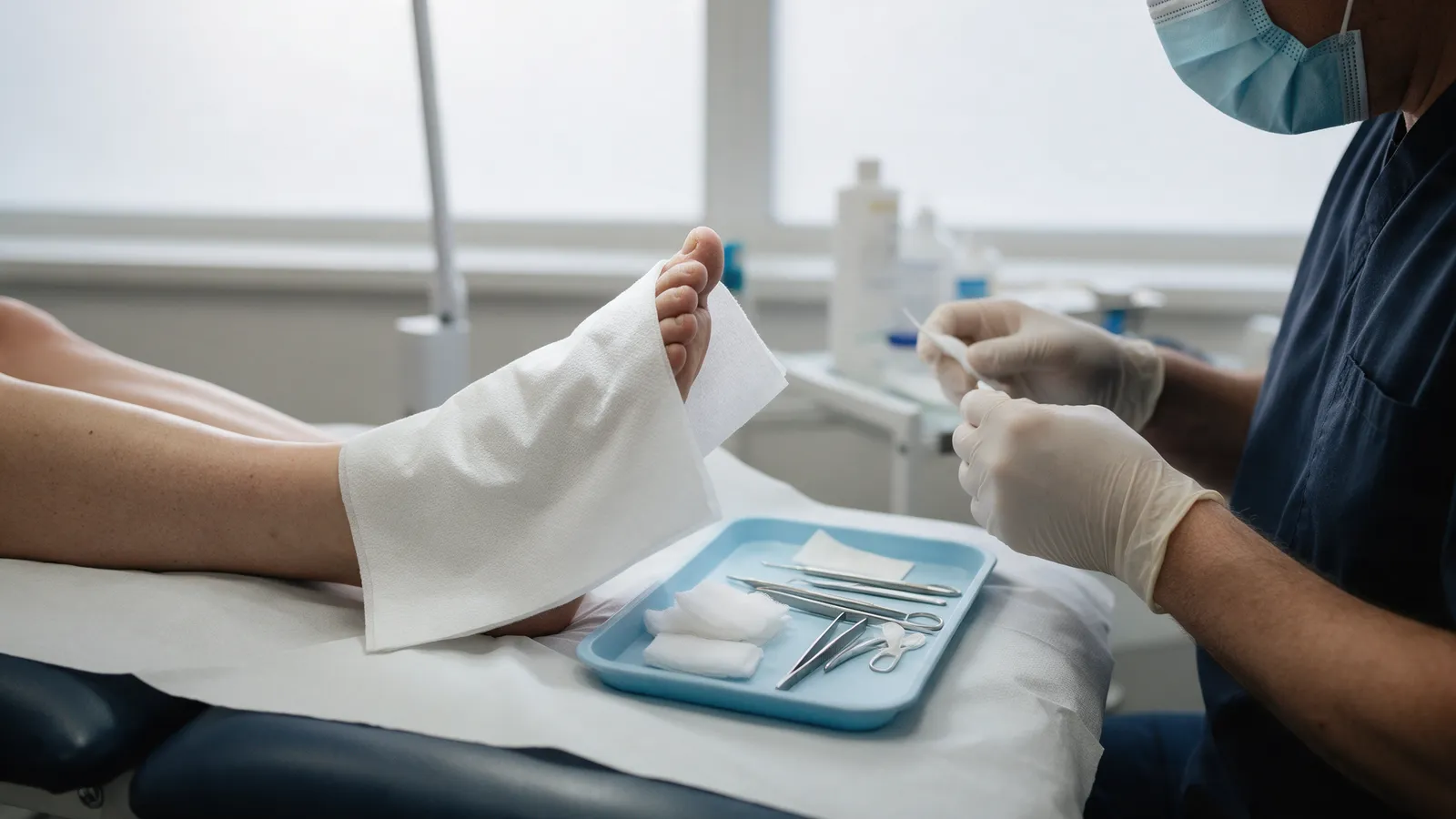
The permanent fix for an ingrowing toenail that keeps coming back: the offending edge of the nail removed under local anaesthetic and the root treated with phenol so it does not regrow. About fifteen minutes in the chair, back in a shoe the next day, two redressings included, £340 for one side and £420 for both sides of one nail.

£340 for one side of a nail (partial nail avulsion with phenol), £420 for both sides, including the local anaesthetic, two redressing appointments and a review at six weeks.

03

Verruca treatment

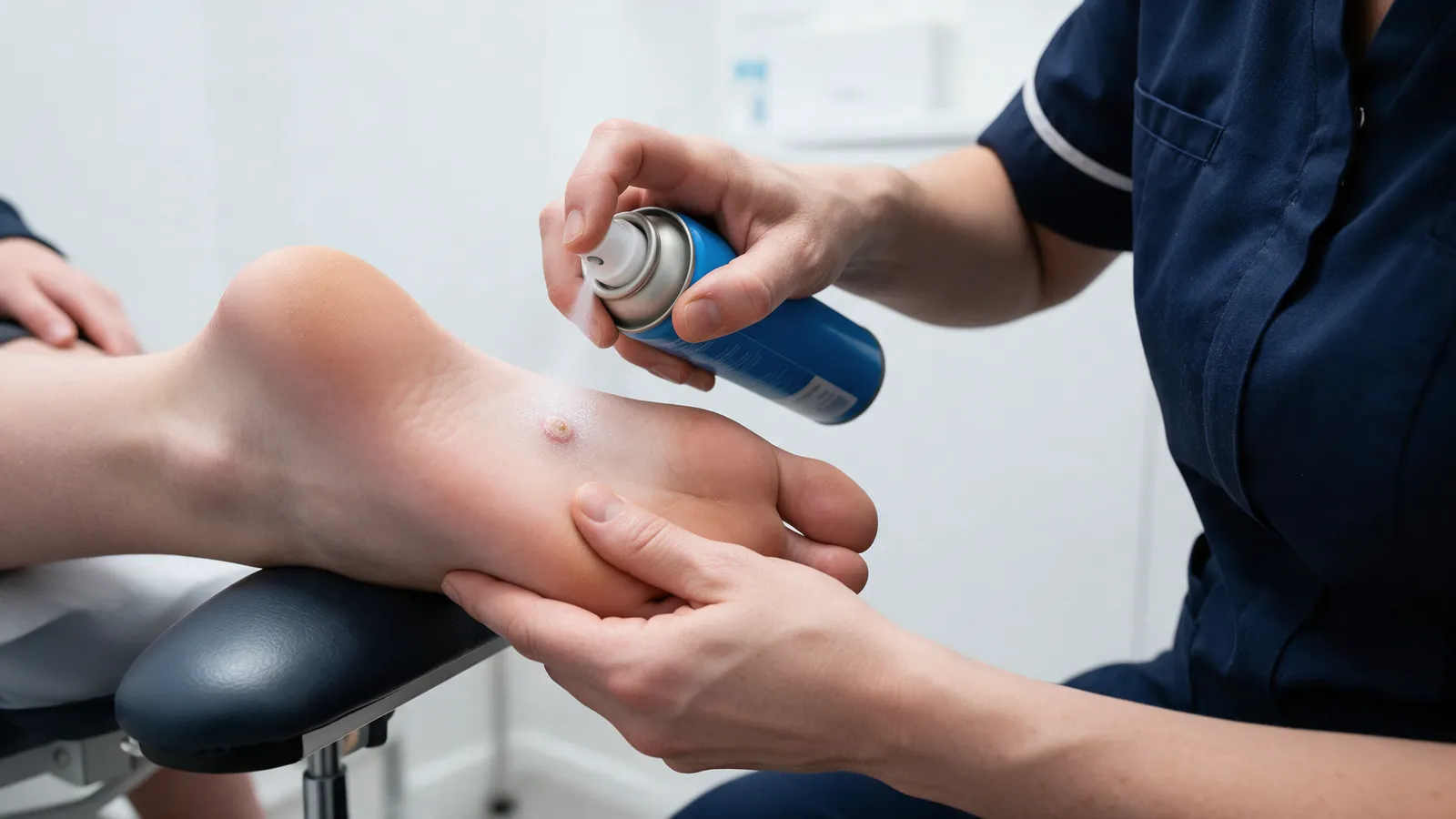
An honest conversation first (most verrucae go on their own within two years and some are best left), then treatment if it is wanted: cryotherapy at £55 for the first visit and £38 for follow-ups a fortnight apart, or dry needling under local anaesthetic at £295 for the ones that have resisted everything else.

Assessment and the first cryotherapy £55; each follow-up £38, usually three to five a fortnight apart.

04

Biomechanics and custom orthotics

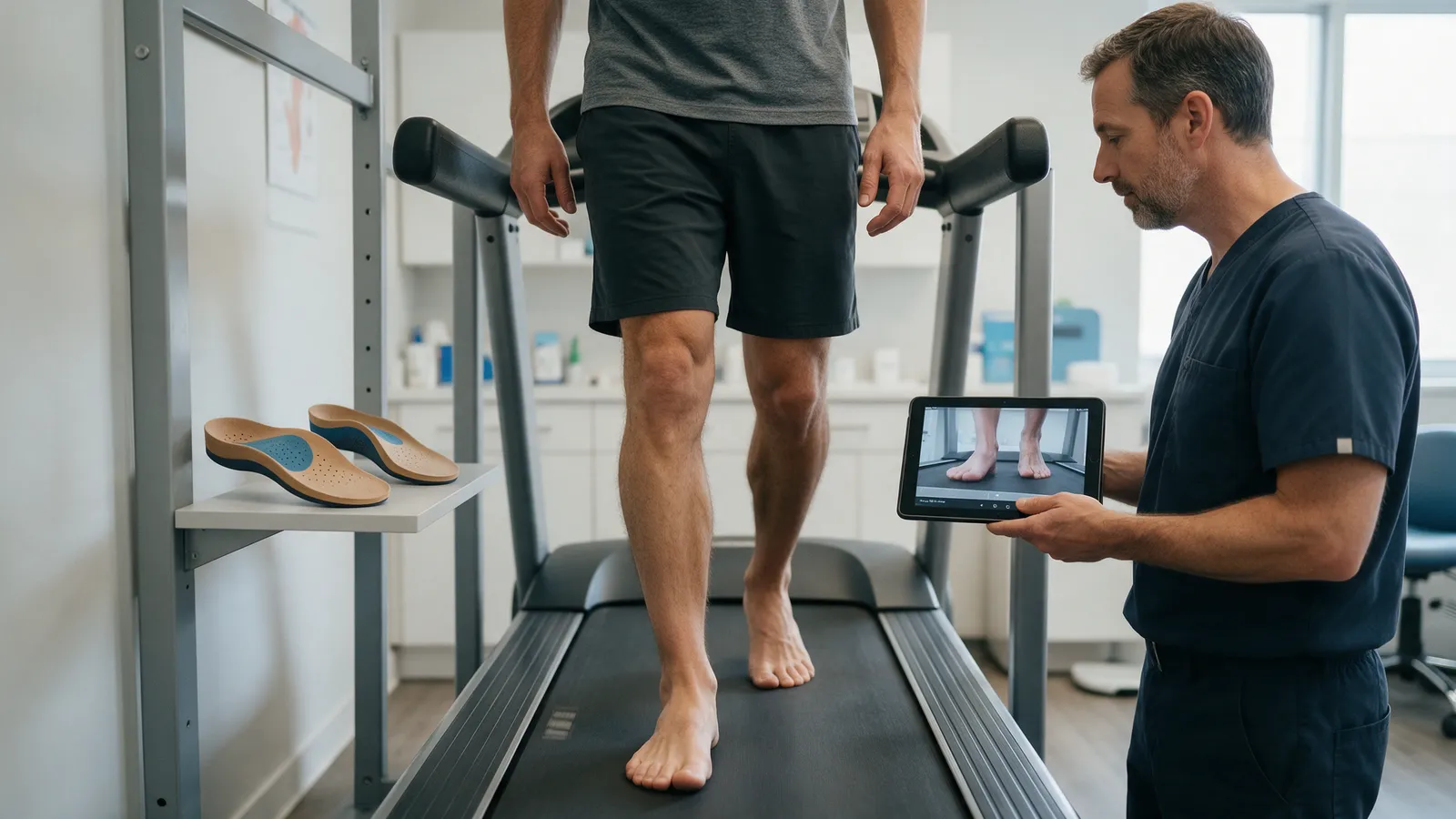
For heel pain, arch pain, shin splints, knee pain and the feet that ache by the end of the day: an hour on the treadmill and the couch to find out why, a treatment plan that is usually exercises and footwear first, and custom orthotics made from a scan of your feet when they are the answer, £260 the pair with the fitting and a review.

The biomechanical assessment, an hour, £95.

05

Diabetic foot checks

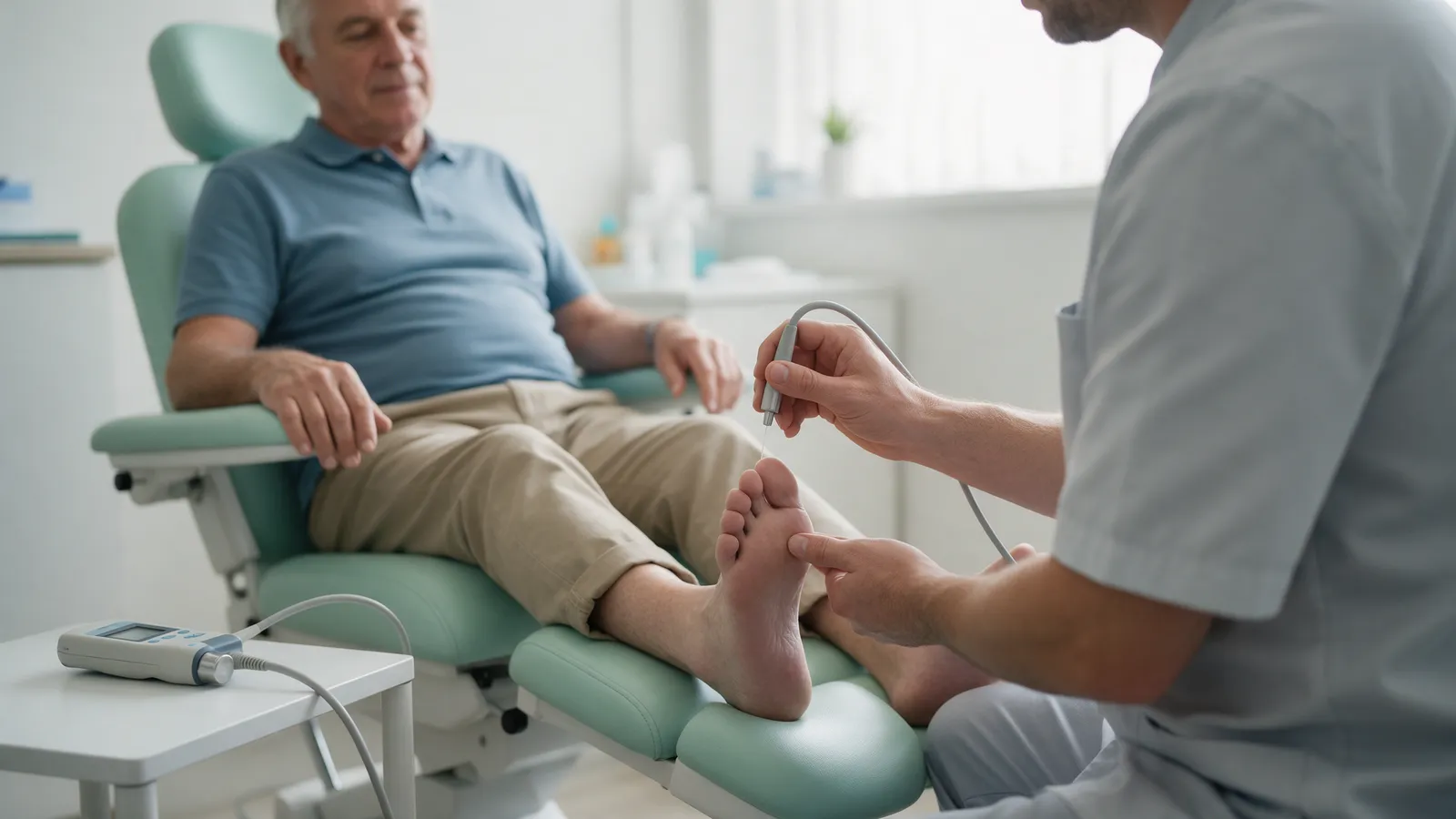
The full annual diabetic foot check: pulses with a doppler, sensation with a monofilament and a tuning fork, the skin, the nails, the footwear, and a written risk grade (low, moderate or high) with a copy for your GP. £45 on its own or £20 added to a routine appointment, and routine care tailored to the grade.

The annual check with a written risk grade, £45; added to a routine visit, £20.

06

Home visits

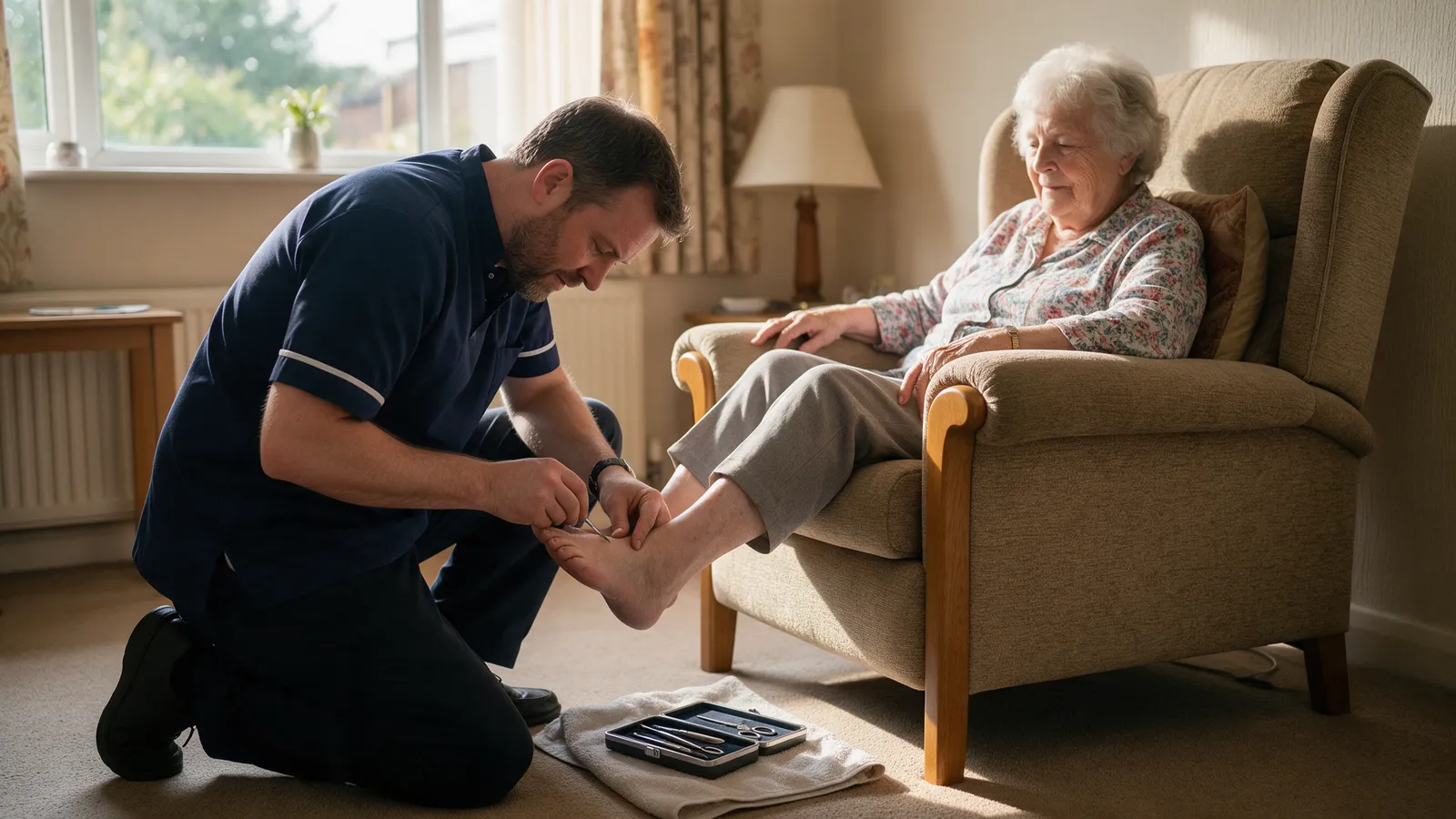
Routine chiropody and diabetic foot care at home for people who cannot get to the clinic: housebound patients, people in residential homes, and people recovering from an operation. Tuesday and Thursday afternoons within three miles of Birchgrove, with the same sterile instruments in a sealed case, for the clinic price plus £18.

The clinic price plus £18: a routine visit at home £60, the first visit with the assessment £70, a diabetic check £63.

The first appointment

Forty-five minutes, in four parts.

  1. Your history

    Your health, your medication, anything that affects healing or circulation, and what has brought you in. Bring the medication list.

  2. The checks

    Pulses in both feet, sensation with a monofilament, the skin and the nails, and how you stand and how your shoes wear.

  3. The treatment

    Whatever needs doing that day: nails, corns, hard skin, the edge of an ingrowing nail, with sterile instruments opened in front of you.

  4. The plan

    A written note of what we found and how often to come back, which for most people is every six to ten weeks, and for some never.

The next free appointment is on this website.

A first appointment is forty-five minutes and £52: the history, the circulation and sensation checks, and the treatment itself. Book online from an hour and a half ahead or ring the clinic; two slots a day are kept for painful problems that should not wait.