RAD ballet in March and November, ISTD tap and modern in June and November, examined here, dates published a term ahead
Exams
Royal Academy of Dance ballet examinations in March and November and ISTD tap and modern examinations in June and November, held in Studio 1 with a visiting examiner, with the entry deadlines, mock dates and exam days on the website a term ahead. Entry is by the teacher's recommendation, exams are optional, and the pass rate over the last two sessions is 98%.
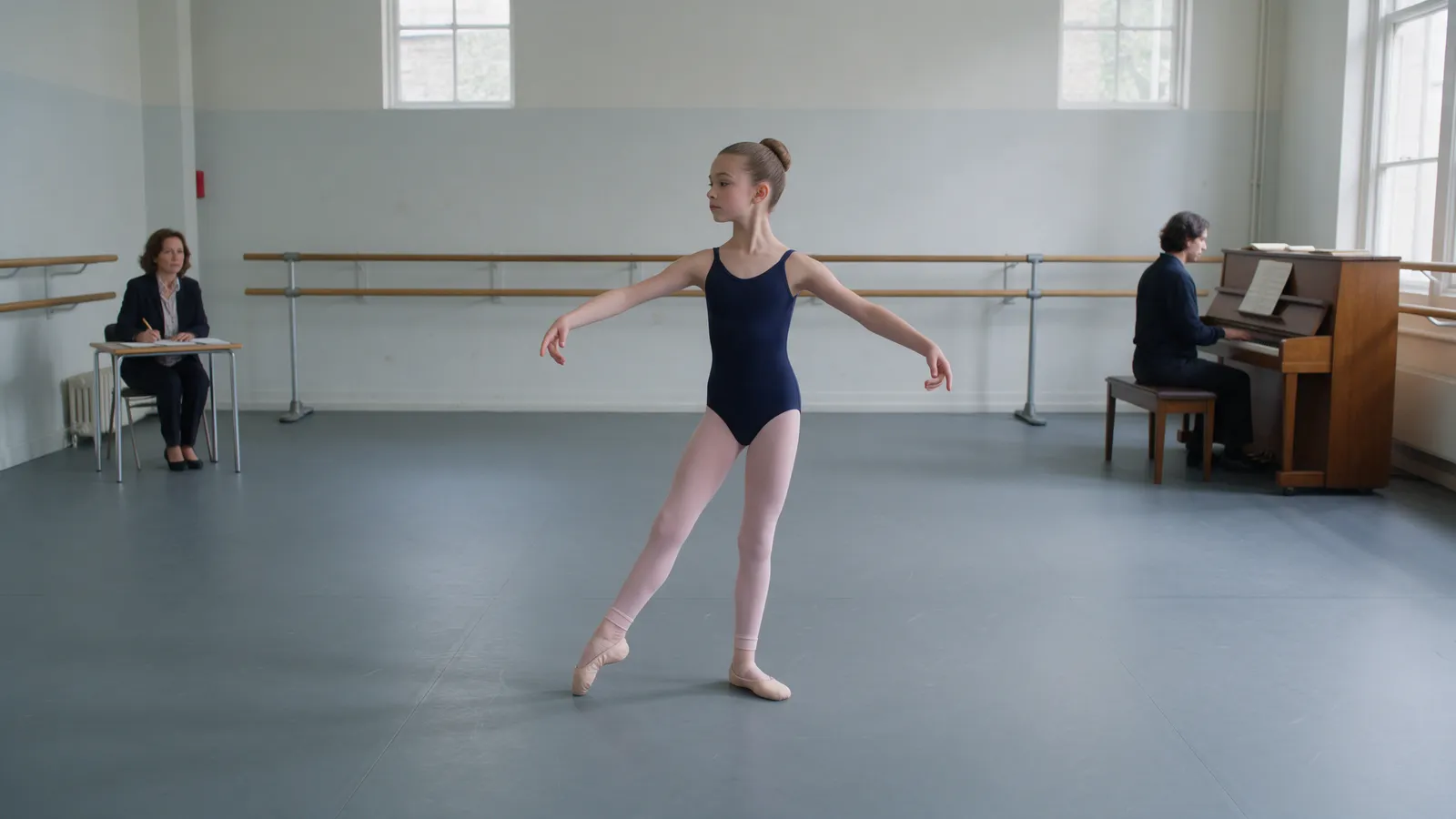
Exams are the thing parents ask about most and the thing we are most relaxed about. They are optional, they are entered only when the teacher is sure, and the mark sheet that comes back is the most useful piece of paper a dancer gets all year. The dates for the next two sessions are below, with what each session needs from you.
The school is an RAD-registered examination centre for classical ballet and an ISTD-approved centre for tap and modern theatre, which means the examiners come here and the dancers are examined in the studio they learned in, with Rhodri at the piano for the ballet grades. RAD sessions are in March and November, ISTD in June and November. Each session has four dates that matter: the entry deadline, when the fee is paid and the entry goes in; the mock, when the class runs the exam in full and the teacher decides who is ready; the exam day; and results day, usually five weeks later.
Entry is by recommendation. In the half term before the deadline the teacher tells you whether your child is ready, and a child who is not is not entered, whatever the age or the friends; that is the whole reason the pass rate is 98% and three in five passes are distinctions. A child who misses a session simply takes the grade at the next one. Nobody is held back from the next class for want of a certificate.
The entry fee is the examining body's fee plus the pianist and the examiner's travel, shared across the session: £48 or £72 for the RAD grades, £42 or £64 for the ISTD, paid at the deadline. From the mock to the exam day there are two extra rehearsal classes for each grade, included. Uniform for the exam is the usual class uniform, clean, with hair as the syllabus requires; we check it at the mock and photograph the bun so you can do it again.
Results come as a certificate and a mark sheet with the examiner's comments on each section, which the teacher goes through with the dancer in the next class. Medals and certificates are presented at the show in July. For dancers thinking about vocational school, the Intermediate Foundation and Intermediate vocational exams are offered from fourteen and Nerys will say plainly whether that path is realistic.
What is included
- RAD ballet exams in March and November; ISTD tap and modern in June and November
- Examined in Studio 1 by a visiting examiner, with Rhodri at the piano for ballet
- The entry deadline, mock, exam day and results day published a term ahead
- Entry by the teacher's recommendation only; optional, never a condition of moving up
- Two extra rehearsal classes per grade between the mock and the exam, included
- A mark sheet with comments, gone through with the dancer in the next class
What it costs
RAD entry £48 for Pre-Primary to Grade 3 and £72 for Grades 4 to 8; ISTD £42 for Primary to Grade 3 and £64 for Grades 4 to 6. Mocks and the extra rehearsal classes are included. Nothing is added. The timetable has every class with its spaces, the term dates and the prices side by side; the exams and shows page has the dates.
Questions about exams
What if my child fails?
In the last two sessions two entries out of a hundred and twelve did not pass, and both took the grade again at the next session and passed. A fail is a mark sheet that says what to work on, nothing more, and the teacher will say so. A child entered on recommendation almost never fails.
Can we watch the exam?
No; the examining bodies do not allow it. Parents wait in reception, and the dancers come out in their groups. The mock the fortnight before is open to parents and is a better watch anyway.
Do the grades count for anything?
RAD Grades 6 to 8 and the vocational grades carry UCAS points, and all the grades are regulated qualifications. More usefully, a dancer with a run of grades has learned to prepare, to be examined by a stranger and to read a mark sheet without crying, which is a transferable skill.
The first class is free. Any class, any age, nothing to buy.
Tell us the dancer's age and the style you are curious about, and the office rings back the same day with a class that has a space. Come in anything you can move in, stand at the back if you like, and decide afterwards. Or ring Bethan in the office.